Open shelving in farmhouse kitchens has gained popularity for its aesthetic appeal and practical advantages. It not only allows easy access to plates and bowls but also adds to the warm, inviting character of a farmhouse vibe. Let’s delve into how to effectively implement open shelving and enhance your kitchen space.
1. Choosing the Right Shelves
Selecting the appropriate shelves is crucial for both functionality and style in your farmhouse kitchen. Common materials for open shelving include reclaimed wood, metal, or a combination of both. Reclaimed wood provides a rustic, timeless look, while metal shelves can add an industrial flair. Ensure the shelves are sturdy enough to hold the weight of your plates and bowls without sagging.
Consider the depth of your shelves as well; they should be deep enough to accommodate larger serving platters without risk of them tipping or falling. Additionally, the finish of the wood or metal should coordinate with the other kitchen elements, from cabinetry to countertops. A well-chosen shelf can serve as a focal point in the room.
-
- Visit a local hardware store to explore various materials.
-
- Check the weight rating of each shelf type.
-
- Opt for shelves with brackets to add extra support.
-
- Consider a finish that matches your kitchen’s color scheme.
-
- Look for adjustable shelving units for versatility.
2. Arranging Your Plates and Bowls
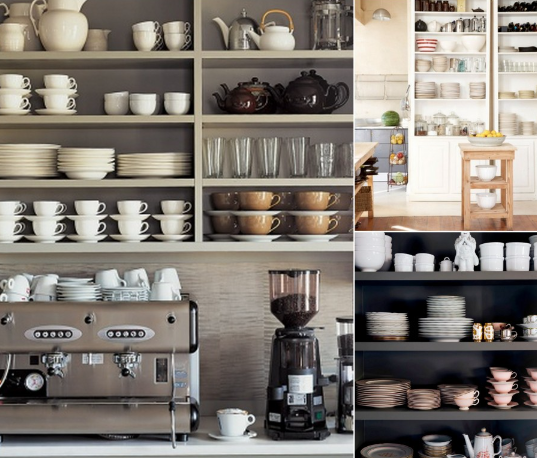
An open shelving system offers an opportunity to showcase your collection of plates and bowls while keeping them within easy reach. When arranging your dishes, consider varying the heights and sizes to create visual interest. Group larger items at the back and smaller items at the front, ensuring all pieces are accessible without having to rearrange your display each time you need something.
Color coordination can enhance the aesthetic; grouping similar hues together or using a gradient effect can transform your shelf into a piece of art. Remember to leave some space between items so it doesn’t appear overcrowded, making it easier to select what you need without hassle.
-
- Use larger plates as backdrops for smaller bowls.
-
- Keep everyday dishes on easily reachable shelves.
-
- Incorporate decorative items like potted herbs or kitchen utensils to add charm.
-
- Regularly rotate displayed items to keep the layout fresh.
-
- Ensure heavier items are on lower shelves for safety.
3. Maintaining Your Open Shelving Setup
Though open shelving can enhance the beauty of your kitchen, it also requires ongoing maintenance. Dust and grease can accumulate on your plates and bowls, particularly in a cooking-heavy environment. Make it a habit to clean the shelves regularly, using gentle cleaning solutions that won’t harm your items.
Also, regularly assess how your open shelves are functioning in daily use. If something is consistently left unused, consider moving it to a cabinet to free up space for items you use more frequently. Regular maintenance ensures that your open shelving continues to look great and serve its purpose.
-
- Dust surfaces weekly with a microfiber cloth.
-
- Wash plates and bowls routinely to prevent grease buildup.
-
- Periodically revisit the organization to maximize efficiency.
-
- Replace items that are damaged or chipped.
-
- Assess shelf stability and reinforce if needed.
Open shelving can beautifully blend function and flair in your farmhouse kitchen. With careful selection, arrangement, and maintenance, your dishes will not only be accessible but will also contribute to the overall charm of your space. Start planning your open shelving today, and discover how it can elevate your kitchen experience!