Farmhouse kitchens have become a beloved staple in modern home design, blending rustic charm with contemporary aesthetics. One defining feature of this style is open shelving, especially when paired with natural wood tones, creating warmth and inviting vibes. Let’s explore some practical ways to incorporate this trend into your kitchen.
1. Embracing Natural Wood Tones
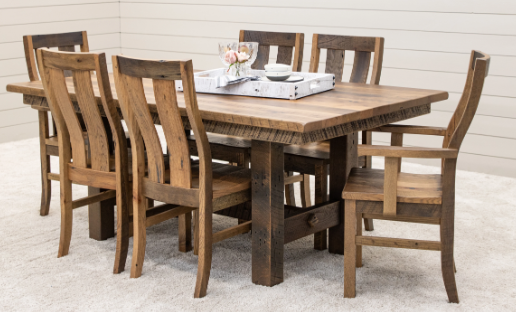
Natural wood tones enhance the overall appeal of a farmhouse kitchen by providing warmth and texture. Using wood elements like open shelves made from reclaimed timber creates a rustic look while ensuring durability. Rich, earthy tones such as oak, walnut, or maple can make your kitchen feel cozy, while lighter woods like pine can open up the space, making it feel airy and large.
One way to achieve this is by using varying shades of natural wood on different shelving units. For instance, mix dark walnut shelves with lighter oak accents. This contrast not only adds dimension to your space but also allows your decor and dishware to stand out, creating a visually engaging environment. By playing with texture and tones, you can curate a kitchen space that’s both functional and beautiful.
-
- Choose reclaimed wood for a sustainable option.
-
- Mix different wood tones for visual interest.
-
- Consider grain patterns that complement each other.
-
- Use finishes that highlight the natural beauty of the wood.
2. Functional Display with Style
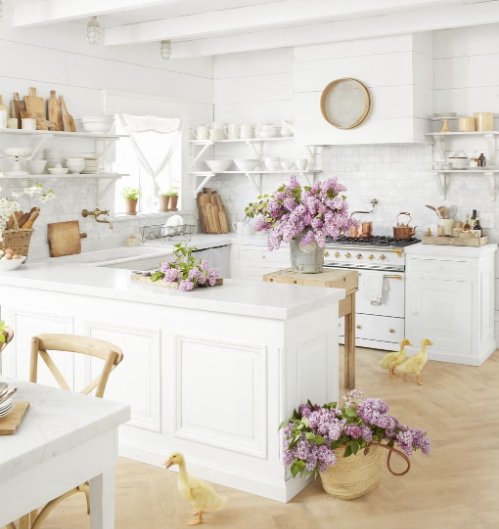
Open shelving not only serves as a decorative element but also offers practical functionality for everyday use. By strategically placing frequently used items like plates, glasses, and spices on these shelves, you can keep your kitchen organized and efficient. This open display encourages easy access while showcasing your unique dishware collection, adding your personal touch to the kitchen.
To further enhance functionality, consider categorizing items on your shelves. Assign specific shelves for plates, another for serving dishes, and a third for cookbooks. This arrangement not only makes it easy to locate items but also contributes to a stylish, cohesive look. Remember, the goal is to make the space both attractive and functional, ensuring that everything has its designated place without feeling cluttered.
-
- Group similar items for easy access.
-
- Incorporate small decor pieces among kitchenware for personality.
-
- Use sturdy brackets to ensure safety and stability.
-
- Maintain a clean and organized appearance by regularly decluttering.
3. Choosing the Right Accessories
Incorporating accessories into your open shelving can take your farmhouse kitchen to the next level. Think about using vintage jars for storing pasta or herbs – not only do they add character, but they also keep things organized. Decorative elements like plants or stylish canisters can also enhance the shelf’s aesthetic, making it more than just a utility space.
When selecting accessories, balance is key. Too many elements can make the space feel cluttered, while too few can appear sparse. Aim for a mix of heights and textures to create an inviting atmosphere. For example, pair a stack of plates with a tall vase of flowers, or use woven baskets for bread alongside colorful dishware to keep the shelves lively and inviting.
-
- Incorporate plants for vibrant color and life.
-
- Use vintage or themed jars for a charming touch.
-
- Mix different materials like metal, glass, and ceramics.
-
- Create a focal point with an eye-catching item.
4. Creating Zones with Open Shelving
Using open shelving is a great way to divide your kitchen into functional zones. For example, one section can display baking essentials such as flour, sugar, and measuring cups, while another can focus on cooking utensils and small appliances. This separation not only enhances workflow but also gives a sense of organization that enhances the overall kitchen experience.
Consider using different shelf heights to create these zones. A higher shelf can hold items used less frequently, such as holiday platters, while lower shelves can contain daily-use items. By appealing to your routine and the items you reach for most, you will find that open shelving is more than just decorative—it becomes an integral part of your kitchen workflow.
-
- Define areas by functionality—baking, cooking, serving.
-
- Use different shelf heights to suit your needs.
-
- Label containers for quick access.
-
- Ensure easy reach for frequently used items.
5. Maintenance Tips for Open Shelving
While open shelving enhances your kitchen’s overall design, regular maintenance is essential to keep it looking pristine. Dust can accumulate on dishes and ornaments quickly, especially in a kitchen environment. Thus, it’s important to incorporate a cleaning routine to maintain functionality and aesthetics.
To keep your open shelving in top shape, consider using easy-to-clean materials and planning shelf placement thoughtfully. For instance, placing frequently used items at eye level ensures they’re easier to grab and clean. Additionally, setting a regular schedule for cleaning and organizing will help maintain a tidy and inviting space.
-
- Dust and clean items regularly to maintain hygiene.
-
- Use removable liner on shelves for added protection.
-
- Store items in containers to minimize dust accumulation.
-
- Rotate items periodically to keep the display fresh.
In conclusion, open shelving in your farmhouse kitchen with natural wood tones not only elevates the aesthetic appeal but also enhances functionality. By carefully selecting wood tones, organizing your space, and incorporating the right accessories, you can create a kitchen that feels warm and inviting. Consider these tips as you embark on designing your perfect kitchen space!