Reclaimed wood furniture has gained significant popularity in recent years, particularly among those who admire rustic aesthetic and sustainable practices. The unique charm and character that reclaimed wood brings to a home reflect not just craftsmanship, but also a deep respect for nature and history. In this post, we’ll explore the nuances of reclaimed wood furniture and delve into the artistry of farmhouse craftsmanship.
1. The Allure of Reclaimed Wood
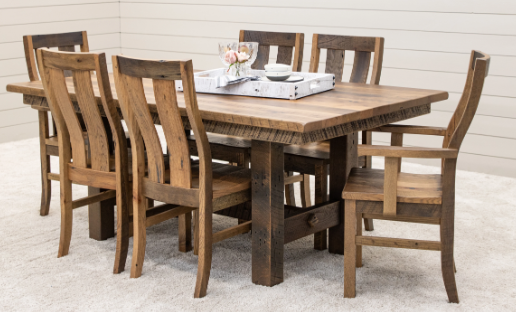
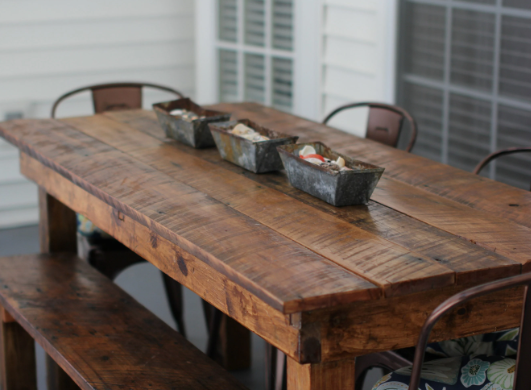
Reclaimed wood refers to timber that has been salvaged from old structures—such as barns, factories, or warehouses—before being repurposed into new furniture. One of the most appealing aspects of reclaimed wood is its rich history and unique markings, which provide each piece with its own story and identity. Unlike newly cut timber, reclaimed wood has often been weathered over time, lending a beautiful patina and exceptional durability to the furniture.
From dining tables to benches and bookshelves, the possibilities for creating stunning pieces from reclaimed wood are endless. For instance, a table made from reclaimed barn wood may boast unique textures and deep grooves that tell a story of years spent outdoors. Moreover, using reclaimed wood is an eco-friendly choice that helps reduce deforestation and minimizes waste, making it an excellent option for sustainability-minded consumers.
-
- Look for reputable suppliers who specialize in salvaged timber.
-
- Check the wood’s history; the older, the better for uniqueness.
-
- Consider pieces that still carry original features like nail holes or knots.
-
- Ensure the wood is properly treated to prevent warping.
2. Farmhouse Craftsmanship Principles
Farmhouse craftsmanship is characterized by a commitment to quality, simplicity, and functionality. Craftsmanship in this style often celebrates traditional techniques paired with modern design principles, resulting in beautiful yet practical furniture pieces. Skilled artisans often employ time-honored methods like hand-sanding and joinery, ensuring each piece not only looks good but is built to last.
For example, a handcrafted farmhouse dining table may utilize mortise and tenon joinery, resulting in a sturdy structure that can bear the weight of family gatherings for years on end. This attention to craftsmanship and detail mirrors a growing trend toward appreciating artisanal skills in a fast-produced world. Investing in handcrafted furniture means supporting artisans and preserving these invaluable skills.
-
- Opt for locally-crafted pieces to support the community.
-
- Assess the construction methods used; traditional joints add strength.
-
- Choose timeless designs that won’t go out of style.
-
- Invest in quality materials to enhance the lifespan of your furniture.
3. The Sustainability Factor
In contrast to mass-produced furniture, reclaimed wood furniture offers a sustainable alternative that has minimal environmental impact. The process of reclaiming wood reduces the demand for new lumber, thus conserving forests and promoting responsible forestry practices. Moreover, using recycled materials often results in less chemical treatment compared to new wood, making it a healthier choice for indoor environments.
Many companies focusing on reclaimed wood furniture also pay attention to ethical sourcing and transportation methods, further adding to the sustainability narrative. By purchasing reclaimed pieces, you are not only fostering a cycle of reuse but are also consciously reducing your carbon footprint. This conscious choice can resonate deeply with anyone passionate about the environment.
-
- Research your furniture’s sourcing story to ensure ethical practices.
-
- Look for certifications indicating sustainable or eco-friendly sourcing.
-
- Consider the lifecycle of the furniture; can it be reused or recycled later?
-
- Think about your local environment; how does this furniture choice impact it?
In conclusion, reclaimed wood furniture and farmhouse craftsmanship weave together history, sustainability, and artistry into beautiful pieces that enhance our living spaces. By choosing reclaimed wood, you embrace a more responsible way to furnish your home while celebrating craftsmanship and contributing positively to the environment. Take the first step by exploring options in your area or online, and discover how reclaimed wood can transform your space.