Farmhouse living spaces embody a warm, inviting aesthetic that draws from nature and rustic charm. One of the most distinctive features of this style is the use of reclaimed wood furniture, which not only adds character but also promotes sustainability. In this blog post, we will explore the various aspects of incorporating reclaimed wood furniture into your farmhouse decor.
1. The Appeal of Reclaimed Wood
Reclaimed wood brings a sense of history and uniqueness to any living space. Each piece has its own story, often originating from old barns, factories, or even wine barrels. This distinctive quality means that no two items are alike; your furniture can serve as a conversation starter while adding aesthetic value to your home.
Moreover, reclaimed wood is an eco-friendly choice. By repurposing existing materials, you minimize waste and reduce the demand for newly sourced wood, which can contribute to deforestation. This makes reclaimed furniture not just beautiful, but also a responsible choice for environmentally conscious homeowners.
-
- Choose pieces with visible history, such as nail holes or weathered textures.
-
- Look for local artisans who specialize in reclaimed wood furniture.
-
- Consider the wood’s origin; barns and old factories often have sturdier timber.
-
- Maintain your furniture to enhance its longevity and preserve its character.
2. Creating a Cohesive Farmhouse Aesthetic
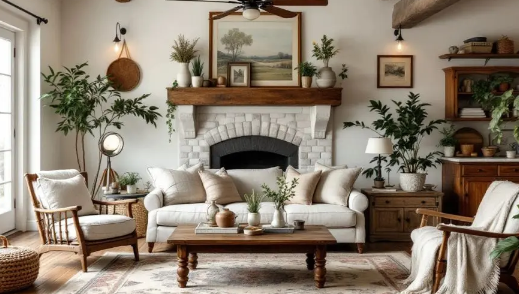
Incorporating reclaimed wood furniture into your living space can be an art form in itself. To create a cohesive look, consider the color palette and style of your room. Soft whites, muted greens, and earthy tones typically complement the rustic nature of reclaimed wood. Pairing these colors with your wood furniture can result in a harmonious atmosphere that feels intentional and inviting.
Additionally, incorporating textiles such as linen, cotton, or wool can soften the look of industrial-rendered reclaimed wood. This could include things like throw pillows, blankets, or even curtain fabrics. The contrast between the sturdiness of the wood and the softness of textiles can create a balanced and welcoming environment.
-
- Select a color palette that complements the wood’s natural tones.
-
- Incorporate natural textiles to soften the overall look.
-
- Mix reclaimed wood with modern elements for an eclectic vibe.
-
- Utilize plants to bring life and texture to your space.
3. Practical Uses for Reclaimed Wood Furniture
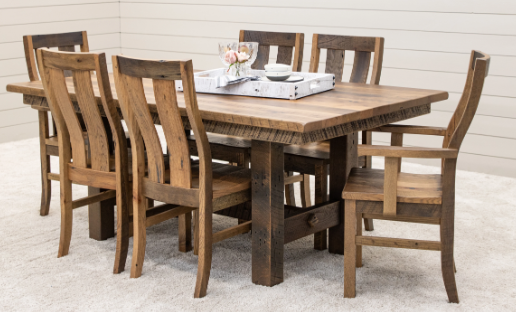
Reclaimed wood can be used in a multitude of ways within your farmhouse decor. Consider using reclaimed wood for dining tables and chairs, which can serve as a functional yet stylish centerpiece for family gatherings. The durability and timelessness of the wood make it ideal for furniture that sees daily use.
In addition to dining furniture, reclaimed wood can be incredibly effective in other areas of your home. Items such as shelves, coffee tables, and even headboards can be crafted from reclaimed wood, giving different areas of your living space a cohesive and unified look that reflects your farmhouse style.
-
- Consider a large reclaimed wood dining table for communal meals.
-
- Create open shelving units to showcase your favorite decor items.
-
- Use reclaimed wood for statement pieces, like a coffee or accent table.
-
- Transform old boards into a unique headboard that adds character to your bedroom.
4. Caring for Reclaimed Wood Furniture
While reclaimed wood furniture is generally robust, it requires an understanding of proper care to maintain its beauty. Regular dusting and occasional polishing with natural oils can keep it looking fresh and enhance its natural grains. Using coasters and avoiding direct sunlight can also help prevent warping or fading.
If you notice any scratches or dents, you can lightly sand the area and apply a bit of wood finish that matches the rest of the piece. It’s also ideal to keep an eye out for any signs of wear, so you can address them promptly, ensuring your investment remains stunning for years to come.
-
- Regularly dust surfaces with a soft cloth.
-
- Use natural oils for polishing to enhance grain.
-
- Avoid using chemical cleaners that can be harsh on wood.
-
- Inspect furniture regularly for signs of damage.
In conclusion, embracing reclaimed wood furniture not only beautifies your farmhouse living space but also supports sustainability. By making thoughtful choices in design and maintenance, you can create a warm, inviting atmosphere that reflects your personal style. Don’t hesitate to consult a professional for tailored advice on how to best incorporate reclaimed wood into your home!