Farmhouse interiors have become increasingly popular thanks to their rustic charm and cozy appeal. An essential element that exemplifies this style is reclaimed wood furniture, which not only adds character but also promotes sustainability. Let’s dive into the various aspects and styles of incorporating reclaimed wood into your farmhouse décor.
1. The Aesthetic Appeal of Reclaimed Wood
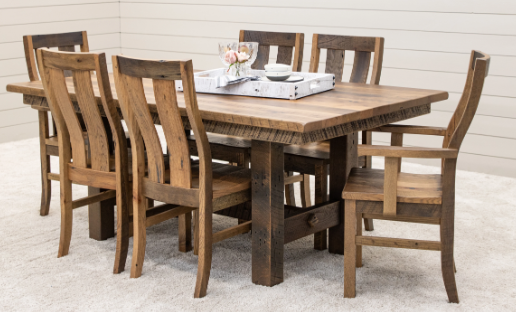
One of the most compelling reasons to choose reclaimed wood furniture is its unique aesthetic appeal. Each piece tells a story, featuring distinct textures, colors, and weathered finishes that create a sense of history. For example, a dining table made from reclaimed barn wood can serve as a stunning centerpiece, showcasing the natural imperfections and beautiful grain that newer materials simply can’t replicate.
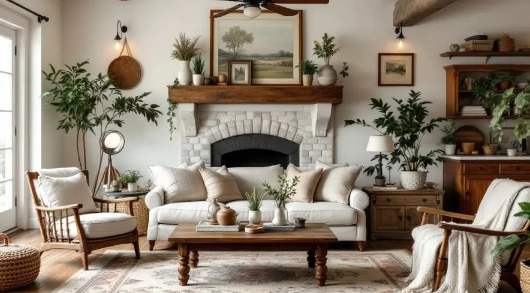
This distinctive quality allows reclaimed wood to fit seamlessly into various farmhouse styles, from traditional to modern interpretations. Pairing reclaimed wood accents with other organic elements like stone, linen, and iron can elevate your space, creating a warm, inviting atmosphere perfect for family gatherings or lazy weekends.
-
- Choose pieces with visible knots and grain for added character.
-
- Complement reclaimed wood with natural color palettes.
-
- Mix different types of reclaimed wood for an eclectic look.
-
- Incorporate greenery to harmonize with the warm tones of the wood.
2. Sustainable Living with Reclaimed Wood
Opting for reclaimed wood furniture isn’t just an aesthetic choice; it’s a conscious decision that supports environmental sustainability. This type of wood is salvaged from old buildings, fences, or pallets, giving it a second life and reducing the demand for new lumber. By choosing reclaimed materials, homeowners contribute to reducing deforestation and landfill waste.
Moreover, many reclaimed wood suppliers focus on sustainable harvesting practices, ensuring that their sourcing methods do not harm the environment. As consumers increasingly seek eco-friendly options, incorporating reclaimed wood into your farmhouse interior can set a positive example and inspire others to follow suit.
-
- Research the sourcing practices of your furniture provider.
-
- Look for certified reclaimed wood to guarantee authenticity.
-
- Explore local markets to find unique, sustainable pieces.
-
- Consider DIY projects to transform reclaimed wood into custom furniture.
3. Versatility in Design and Functionality
Reclaimed wood furniture offers incredible versatility, making it suitable for various spaces in your home. From dining tables and benches to bookcases and beds, the durability of reclaimed wood ensures functionality in high-traffic areas. Additionally, its adaptability means it can easily complement various design styles, ranging from rustic farmhouse to minimalist chic.
For instance, a reclaimed wood coffee table can serve as a focal point in a living room while providing storage options underneath. Similarly, using reclaimed wood shelves in a kitchen can elevate the space’s aesthetics while providing practical storage for herbs, spices, or vintage dishware.
-
- Incorporate multifunctional furniture pieces to maximize space.
-
- Choose colors that complement existing design themes.
-
- Use reclaimed wood in different finishes for varied textures.
-
- Layer furniture styles to create depth in design.
4. Caring for Reclaimed Wood Furniture
While reclaimed wood furniture is typically built to last, it still requires a bit of maintenance to preserve its beauty. Regular dusting and careful cleaning will help maintain the wood’s integrity over time. It’s essential to use gentle cleaning agents that won’t strip the wood of its natural oils, ensuring it stays vibrant and well-protected.
You may also want to apply a wood conditioner or oil periodically, especially in areas with significant temperature or humidity fluctuations. This will prevent dryness and cracking, extending the lifespan of your beloved pieces. Keeping your furniture away from direct sunlight can also help prevent fading.
-
- Dust regularly with a soft cloth.
-
- Use natural cleaning solutions for spills and stains.
-
- Apply wood conditioner every six months to maintain luster.
-
- Keep furniture away from heat sources.
5. Choosing the Right Pieces for Your Space
When selecting reclaimed wood pieces for your farmhouse interior, consider the scale and proportions of your space. Large, bulky furniture can overwhelm smaller areas, while too many small items can make a large room feel cluttered. Aim for a balanced look by incorporating a mix of sizes that work harmoniously together.
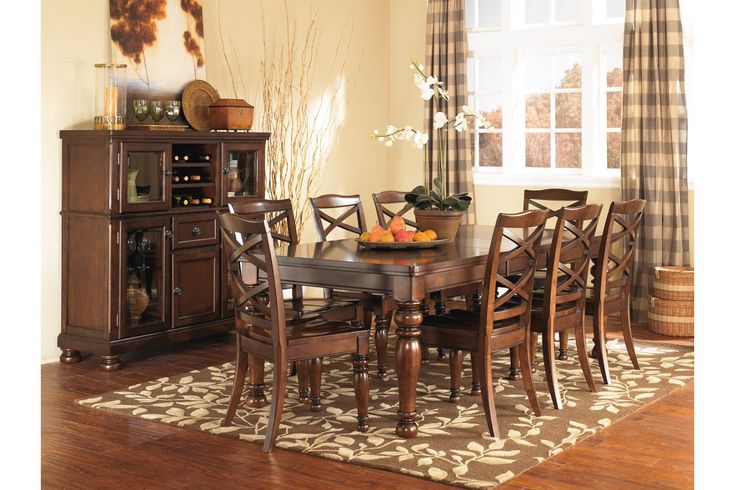
It’s also wise to consider the color tones and finishes of the reclaimed wood. Darker woods can create a dramatic atmosphere but may require lighter fabrics and accessories to keep the space from feeling heavy. On the other hand, lighter wood options can brighten a room and make it feel more open and airy.
-
- Measure your space to ensure the right fit.
-
- Mix light and dark wood pieces for contrast.
-
- Incorporate accessories that complement your chosen furniture.
-
- Consider the overall balance of the room before making purchases.
In conclusion, incorporating reclaimed wood furniture into your farmhouse interior can elevate your space while contributing to a sustainable lifestyle. By understanding the nuances of their care and selecting complementary pieces, you can create a cozy, inviting atmosphere that’s both stylish and environmentally responsible. Don’t hesitate to explore options and consult with professionals to find the perfect reclaimed wood items for your home.