Reclaimed wood furniture has become a prominent choice in home decor, particularly for those aiming to capture the cozy, rustic feel of farmhouse aesthetics. By opting for furniture made from reclaimed materials, you not only add texture and character to your space but also contribute to sustainability. Let’s dive deeper into the appeal, benefits, and considerations of incorporating reclaimed wood furniture into your home.
1. The Aesthetic Appeal of Reclaimed Wood
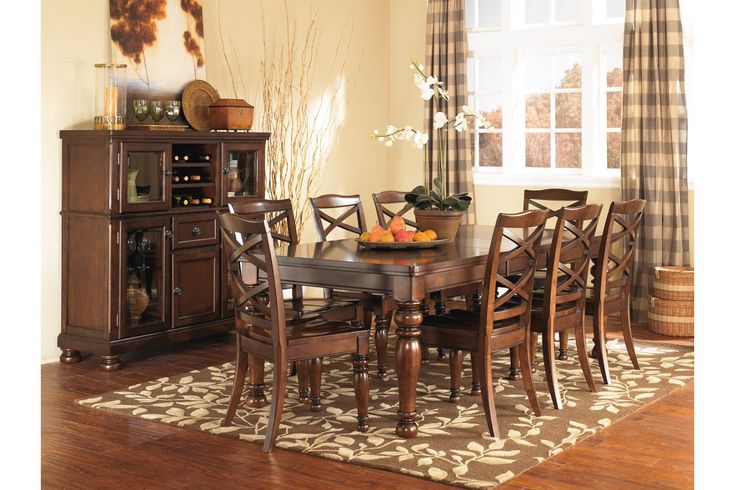
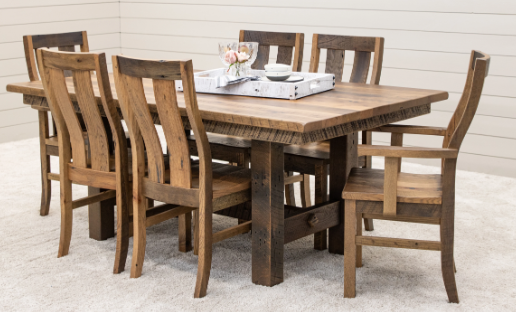
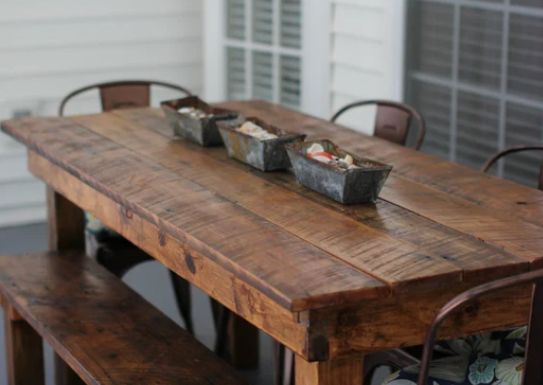
The rich textures and natural imperfections of reclaimed wood create an inviting and warm atmosphere that resonates with the farmhouse style. Each piece tells a unique story, showcasing knots, grains, and worn edges that add to its charm. For example, a dining table made from reclaimed barn wood can serve as a stunning focal point in your kitchen, inviting family gatherings and shared meals.
Moreover, reclaimed wood can vary widely in color and texture, allowing it to complement various color palettes and design schemes. Whether you prefer a lighter finish or a darker, rustic look, reclaimed wood provides versatility that can suit different tastes while maintaining that farmhouse feel. Pairing these furniture pieces with softer textiles, such as linen or cotton throws, can enhance the cozy vibe even further.
-
- Choose pieces that reflect your personal style.
-
- Mix reclaimed wood with modern elements for a unique contrast.
-
- Incorporate textiles to soften the look.
-
- Keep essential furniture functional yet decorative.
2. Sustainability and Environmental Benefits
Opting for reclaimed wood furniture is an environmentally-friendly choice that helps reduce waste and conserves resources. By using wood that has been previously utilized, you minimize the demand for new timber, thus helping to preserve forests and natural habitats. Additionally, many reclaimed wood pieces come from structures that would otherwise have been demolished or neglected, giving new life to materials rich in history.
Furthermore, producing reclaimed wood furniture often involves less energy compared to harvesting and processing new wood. It also typically contains fewer harmful chemicals since the wood has undergone natural aging and, in many cases, has been finished with non-toxic treatments. This means that while you are enhancing your home with beautiful furniture, you’re also making a positive impact on the environment.
-
- Research the source of the reclaimed wood you purchase.
-
- Consider the environmental impact of your home decor choices.
-
- Look for certifications from sustainable practices.
-
- Promote the use of reclaimed materials in your community.
3. Care and Maintenance of Reclaimed Wood Furniture
While reclaimed wood furniture is typically sturdy and durable, it still requires proper care to ensure longevity. Regular cleaning is essential; using a soft, damp cloth to wipe surfaces can help prevent dust build-up without damaging the wood finish. It’s crucial to avoid harsh chemicals that may degrade the wood or its finish.
Additionally, monitoring the humidity and temperature of your home can prevent the wood from warping or cracking over time. A humidifier or dehumidifier may be necessary, especially in extreme weather conditions. When it comes to any scratches or blemishes, consider using wood fillers or a matching stain to maintain its rustic charm without compromising its unique character.
-
- Dust regularly with a soft cloth.
-
- Avoid direct sunlight to minimize fading.
-
- Use coasters and placemats to protect surfaces.
-
- Inspect for any damages and address them promptly.
In conclusion, incorporating reclaimed wood furniture into your home decor not only enhances the aesthetic but also supports sustainability efforts. By choosing pieces that resonate with your style and taking care of them, you can create a lasting, warm environment. Consider visiting local artisans or shops specializing in reclaimed wood to explore the wonderful choices available to you.