In today’s world, creating accessible and functional bathroom spaces for individuals with disabilities is more important than ever. As inclusivity becomes a priority in design, practical solutions can significantly enhance the quality of life for many. This blog post will explore essential design elements that can transform a standard bathroom into a safe and welcoming environment.
Wide Doorways and Accessible Layout
The first step in designing an accessible bathroom is to ensure that doorways are wide enough to accommodate wheelchairs or mobility devices. A minimum width of 32 inches is recommended, allowing easy entry and exit. Additionally, the overall layout of the bathroom should prioritize open space, making it easier for users to navigate. Consider positioning fixtures such as toilets, sinks, and showers in ways that promote optimal maneuverability and comfort.
Grab Bars and Non-Slip Surfaces
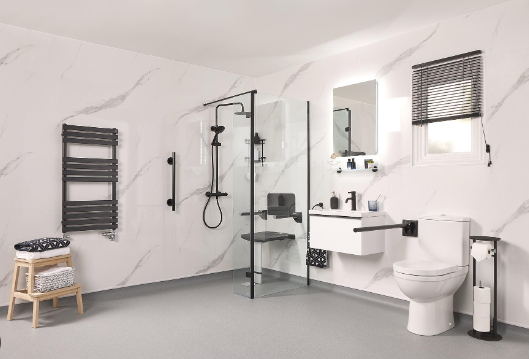
Incorporating grab bars in strategic locations, such as near the toilet and inside the shower, provides much-needed support and stability for users. These bars should be installed at the correct heights and securely anchored to bear weight. Equally important is the choice of flooring; non-slip surfaces can prevent falls, which are a significant hazard in wet environments. Textured tiles or vinyl can offer both safety and style, ensuring that accessibility doesn’t come at the cost of aesthetics.
Accessible Fixtures and Technology
When selecting bathroom fixtures, opting for designs that cater to various needs is crucial. For instance, consider wall-mounted sinks that are height-adjustable, as well as toilets with comfort height options to ease sitting and standing. Adding smart technology, such as automatic faucets and flush systems, can further enhance accessibility by minimizing the need for manual operation. These innovations not only improve usability but also promote independence for individuals with disabilities.
In conclusion, transforming a bathroom into a practical and accessible space involves thoughtful design and careful consideration of various elements. By implementing wide doorways, grab bars, non-slip surfaces, and accessible fixtures, you can create a functional environment that caters to everyone’s needs. If you’re interested in learning more about accessible bathroom design or need assistance with a project, don’t hesitate to reach out for expert advice or resources!