Reclaimed wood furniture has become a popular choice for minimal farm design, blending rustic charm with sustainability. This unique material not only adds character to spaces but also supports an eco-friendly lifestyle. In this blog post, we will explore the advantages of using reclaimed wood furniture in a minimal farm setting, along with practical tips to make the most of this trend.
1. The Environmental Benefits of Reclaimed Wood
Using reclaimed wood furniture significantly reduces the demand for new timber, helping to conserve forests and decrease carbon footprints. This wood is sourced from old buildings, barns, and other structures, which means it often has a rich history, adding sentimental value to each piece. Furthermore, since reclaimed wood has already seasoned through years of use, it tends to be more stable and less prone to warping.
In an era where sustainability is crucial, reclaimed wood provides a perfect blend of eco-friendliness and style. By choosing this material, you are not just enhancing your living environment but also making a conscious decision to protect the planet. Stories of reclaimed wood often add a narrative element to your home, connecting it to history and heritage.
-
- Research local suppliers for reclaimed wood items.
-
- Check for certifications that indicate sustainable sourcing.
-
- Consider DIY projects using reclaimed wood to create custom furniture.
-
- Learn about the history of the materials you choose to add character.
2. Aesthetic Appeal in Minimal Farm Design
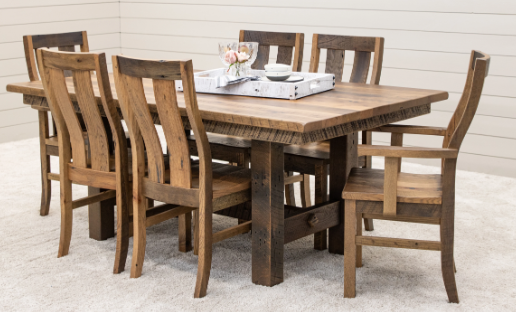
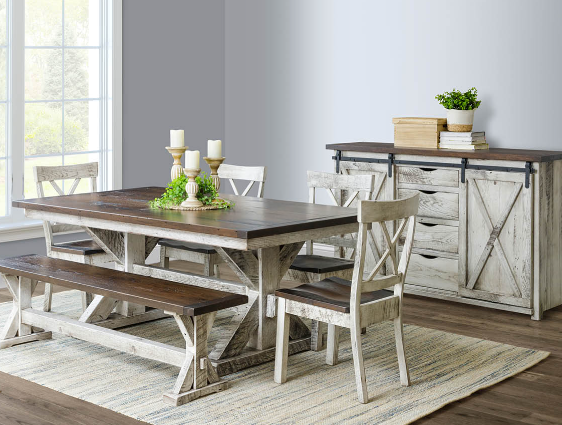
Reclaimed wood furniture beautifully complements the minimal farm design aesthetic. Its natural textures and earthy tones create an inviting atmosphere while allowing other design elements to shine. Whether you’re opting for a rough-hewn dining table or sleek custom shelving, reclaimed wood adds warmth and depth without overwhelming the space.
Minimal farm design emphasizes simplicity and functionality, and reclaimed wood fits perfectly within this philosophy. Its imperfections tell a story and bring a personal touch to your home. Elements like exposed grain and weathered finishes can serve as focal points in an otherwise understated environment, adding visual interest without sacrificing the minimalist look.
-
- Choose a few statement pieces to highlight in your space.
-
- Mix reclaimed wood with other materials like metal and glass for contrast.
-
- Keep the color palette neutral to enhance the natural beauty of the wood.
-
- Focus on functionality to maintain a clean and clutter-free design.
3. Practical Tips for Integrating Reclaimed Wood Furniture
Integrating reclaimed wood furniture into your home can be straightforward with a few practical guidelines. When selecting items, consider the scale and proportion to ensure everything fits harmoniously within your space. Smaller items like side tables or stools can complement larger pieces while maintaining a balanced look.
Don’t forget to consider maintenance! Although reclaimed wood is durable, it does require some care to preserve its beauty. Regularly dusting and applying a suitable wood conditioner can help maintain its finish over the years. Investing in quality pieces with a good protective finish can also prolong their lifespan.
-
- Measure your space to ensure furniture fits well.
-
- Explore various finishes and textures to find what suits your style.
-
- Incorporate soft furnishings in natural fibers to balance the look.
-
- Organize essential items to limit clutter on surfaces.
In conclusion, reclaimed wood furniture can enrich your minimal farm design by providing environmental benefits, aesthetic appeal, and practical functionality. By making informed choices, you can create a harmonious and inviting home that respects both nature and style. Consider consulting a professional designer to help you incorporate these elements seamlessly into your space and truly express your unique style.