The debate between open shelving and cabinets is a pivotal one in farmhouse kitchen design. Both options bring unique aesthetics and functionality to a kitchen, but understanding their pros and cons is essential for making the right choice for your space.
1. Aesthetic Appeal
Open shelving embodies a rustic charm that aligns seamlessly with farmhouse aesthetics. It showcases dishware, plants, and decorative items, allowing homeowners to express their personality and style. The visual openness can make a kitchen feel larger and more inviting, which is often desired in farmhouse environments.
In contrast, cabinets offer a more structured and tidy look, creating a clean line throughout the kitchen. They can also provide a canvas for stylish hardware and finishes that can enhance the overall design. Choosing cabinets allows you to hide less visually appealing items, contributing to a more organized appearance.
-
- Consider the style of your home and how each option fits with it.
-
- Think about what you want to display versus what should be stored out of sight.
-
- Check out design inspiration online to see how either option is executed.
-
- Choose decor items that complement your chosen storage style.
2. Practicality and Functionality
Open shelves make it easy to access plates, cups, and utensils, promoting convenience in everyday use. This style encourages homeowners to keep their items organized, which can improve kitchen functionality. However, it also requires regular cleaning, as dust and grease can accumulate on exposed items more easily than those tucked away in cabinets.
On the other hand, cabinets provide more storage space and can help declutter a kitchen by hiding bulkier items like pots, pans, and appliances. Many modern cabinets also come with features such as pull-out shelves and spice racks, which maximize efficiency. Although they may take up more visual space, they work to create a streamlined look, which can be comforting in a busy kitchen.
-
- Assess your daily kitchen habits to see which option suits you better.
-
- Plan for easy access to frequently used items if going for open shelving.
-
- Consider cabinet features like pull-out drawers for easier organization.
-
- Be prepared for more maintenance with open shelving.
3. Budget Considerations
When it comes to budgeting, open shelving can be a more cost-effective option. Installing shelves typically requires fewer materials and labor compared to fully fitted cabinets. Plus, repurposing materials like reclaimed wood or vintage shelves can add charm without hefty costs, making it easier to stick to a budget.
Conversely, cabinets may involve a higher initial investment but can offer greater long-term value through durability and functionality. Investing in quality cabinetry can improve your home’s resale value and withstand everyday wear and tear better than open shelves, which may require replacements over time if not well-maintained.
-
- Determine your overall budget for your kitchen renovation.
-
- Compare costs of similar quality options for both shelving and cabinets.
-
- Consider DIY options for open shelving to save money.
-
- Evaluate the long-term investment benefits of cabinetry.
4. Ideal Use Cases
Open shelving is ideal for someone who loves to cook and enjoys displaying unique dishware or collectibles. For families, it can act as a means to showcase a collection that tells a story, whether it’s vintage cups or handmade ceramics. This option often appeals to those who desire a more casual, accessible kitchen atmosphere.
Conversely, cabinets are better suited for those with larger families or hectic lifestyles where a clutter-free environment is crucial. They serve as an excellent solution for storing a variety of items, from baking supplies to snacks, without sacrificing organization. If you have young children, cabinets provide an opportunity to secure hazardous items out of reach.
-
- Consider your cooking style and how much kitchen access you need.
-
- Evaluate your family’s needs regarding safety and organization.
-
- Think about how much you enjoy showing off your kitchenware.
-
- Decide if you need additional storage space for other kitchen items.
5. Combination Approaches
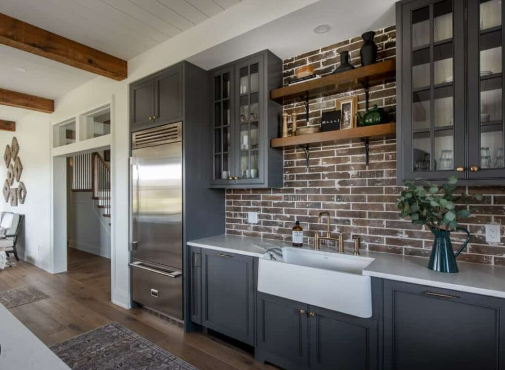
A blend of both open shelving and cabinets can yield a functional and stylish kitchen. Many homeowners opt for upper open shelves paired with lower closed cabinets, providing easy access to essentials while still maintaining a clean look. This hybrid approach allows the homeowner to customize their kitchen to fit various needs, channeling both practicality and aesthetics.
Additionally, utilizing both can help in maintaining balance. For example, use cabinets to hide away appliances and bulk storage, while open shelves can be reserved for your most beautiful and frequently used items. This strategy allows you to enjoy the best of both worlds and can result in a kitchen that looks cohesive and inviting.
-
- Map out your kitchen layout to find the best combination.
-
- Determine which items you’d like to display and which to conceal.
-
- Choose finishes and colors that coordinate between the two to ensure cohesion.
-
- Experiment with different arrangements before finalizing your decisions.
In conclusion, both open shelving and cabinets have distinct advantages and disadvantages in farmhouse kitchen design. Take some time to evaluate your own needs, style preferences, and practical considerations. Designing your kitchen can be a rewarding process—consider consulting a professional to help you navigate the best options for your unique space.