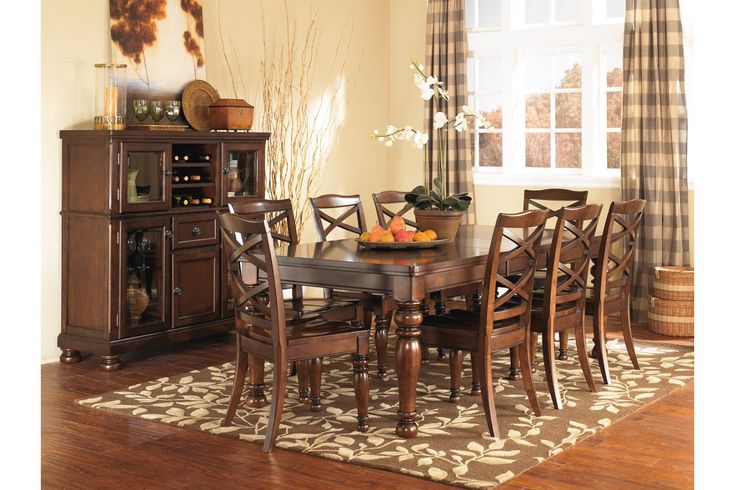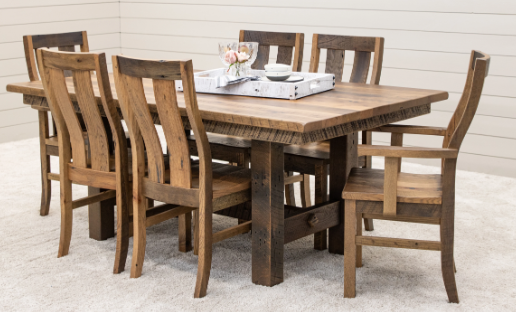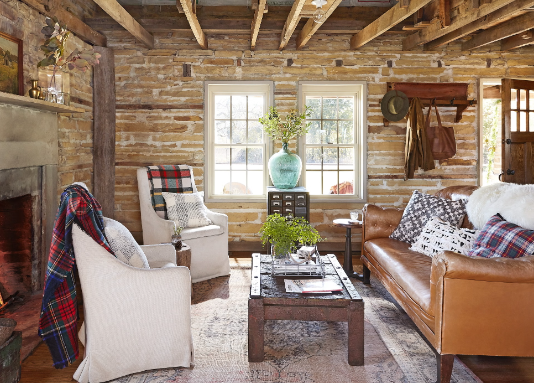
Distressed wood furniture has surged in popularity, especially in traditional farm design. This vintage aesthetic combines an air of nostalgia with functional elegance, making it a favored choice among homeowners looking to create a cozy environment.
1. The Beauty of Distressed Wood Furniture
Distressed wood furniture brings a unique character to any space, particularly in traditional farm settings. The natural imperfections, knots, and reclaimed features tell a story of craftsmanship and age. Whether it’s a weathered farmhouse table or a vintage chair, each piece adds depth to the overall design, enhancing the rustic charm of the surroundings.
This furniture embraces a “lived-in” look that evokes memories of yesteryear. The soft, muted tones often found in distressed wood complement earthy palettes typical of farmhouses. For instance, a table featuring a faded blue paint might beautifully contrast with creamy beige walls and vibrant green plants, creating a harmonious blend of indoor and outdoor elements.
-
- Choose pieces that have a story—look for furniture with unique imperfections.
-
- Pair distressed pieces with more modern elements for balance.
-
- Consider factors like wood type, texture, and hue when selecting furniture.
-
- Incorporate other rustic materials, such as metal or stone, to enhance the aesthetic.
2. Selecting the Right Color Palette
The color palette is essential when integrating distressed wood furniture into a traditional farm design. Earthy tones—think browns, greens, and grays—are ideal as they reflect the natural environment. These colors not only enhance the rustic feel but also allow the beauty of the wood’s natural finish to stand out.
Additionally, incorporating contrasting colors can elevate the design. For example, pairing a deep walnut table with cream-colored chairs creates a refreshing visual contrast. You can also use accent colors, like soft blues and muted reds, to subtly break the monotony and add an inviting warmth to the space.
-
- Stick to a natural color palette to maintain a cohesive look.
-
- Use pops of color sparingly to avoid overwhelming the space.
-
- Consider the lighting of the room; warm lights can complement wood tones beautifully.
-
- Test paint samples near the furniture to see how colors interact with different lighting.
3. Caring for Distressed Wood Furniture
Maintaining the beauty of distressed wood furniture requires some attention but is generally straightforward. Regular dusting with a soft cloth helps maintain the finish, preventing dirt from accumulating and damaging the wood. It’s also essential to avoid using harsh chemicals or abrasives, as these can strip the protective layers on the surface.
Occasionally, a simple conditioning with mineral oil or beeswax can help preserve the wood’s rich appearance and prevent it from drying out. When spills occur, prompt cleanup using a clean, damp cloth will prevent stains, ensuring your furniture remains in great shape for years to come.
-
- Dust regularly with a soft, lint-free cloth to maintain luster.
-
- Avoid soaking the wood; use a damp cloth for spills.
-
- Apply a wood conditioner every few months to nourish the wood.
-
- Store in a climate-controlled environment to prevent warping.
In conclusion, distressed wood furniture is not just a trend; it’s a timeless choice that adds charm and warmth to any traditional farm design. With the right color palette and maintenance routine, these pieces can elevate your home while telling a beautiful story of craftsmanship and history. Don’t hesitate to explore this fascinating style and see how it transforms your living space!