Reclaimed wood furniture brings a unique charm and warmth to farmhouse decor that new materials simply can’t match. The character of reclaimed wood is enriched by its history, making every piece a conversation starter in your home.
1. The Unique Charm of Reclaimed Wood
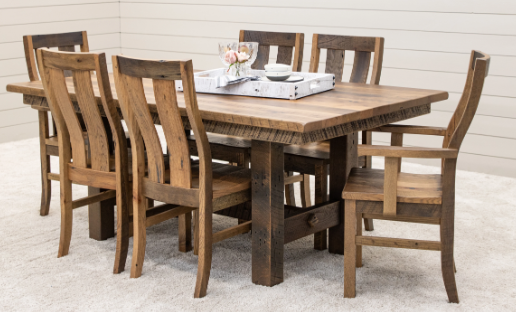
Reclaimed wood is wood that has been salvaged from old buildings, barns, and forgotten landscapes. It often carries distinctive marks of age, such as nails, knots, and unique grain patterns that tell a story. This adds not just aesthetic value, but emotional resonance, presenting a chance to connect with the past while enriching your living space’s character.
One of the most attractive features of reclaimed wood is its durability. Wood that has withstood the test of time typically comes from trees that grew slower, resulting in tighter grain and a sturdier composition. For example, reclaimed oak from a century-old barn will provide a level of resilience that new softwoods struggle to match. Incorporating such pieces allows homeowners to enjoy furniture that is not only beautiful but also built to last.
-
- Look for local sources or trusted shops specializing in reclaimed wood.
-
- Inspect the wood for structural integrity and any signs of rot or pest damage.
-
- Ask about the wood’s history to connect with your piece on a deeper level.
-
- Consider the finish; reclaimed wood can often be refinished to suit your taste.
2. Eco-Friendly Benefits
Opting for reclaimed wood furniture is a sustainable choice, as it repurposes existing materials rather than contributing to deforestation. This practice significantly reduces waste in landfills and cuts down on the need for new lumber production, which is often environmentally taxing. Your furniture can thus contribute to both style and sustainability, leaving a minimal carbon footprint.
In addition, many manufacturers of reclaimed wood furniture prioritize environmentally-friendly finishes and treatments that do not harm indoor air quality. This is especially crucial for families and individuals sensitive to chemicals. By choosing reclaimed wood, you not only enrich your home’s aesthetics but also foster a healthier living environment.
-
- Research eco-friendly furniture brands that use reclaimed wood.
-
- Check for certifications that ensure environmental standards.
-
- Opt for pieces treated with non-toxic finishes.
-
- Consider DIY upcycling projects with reclaimed wood for a personalized touch.
3. Versatility in Style
From rustic farmhouse dining tables to modern coffee tables, reclaimed wood can adapt to various design aesthetics. This versatility is one of its greatest appeals, as it can fit into both traditional and contemporary decor schemes. For instance, a reclaimed wood dining table with a polished metal base can serve as a striking juxtaposition in a minimalist kitchen, enhancing both warmth and sophistication.
Additionally, reclaimed wood can be used as accent pieces like shelving, cabinetry, or even wall decor, providing opportunities for creativity. You might create a cozy reading nook featuring reclaimed wood shelves under a window or incorporate a simple reclaimed wood bench in an entryway for a warm welcome home. The possibilities are virtually endless!
-
- Experiment with various styles; mix and match reclaimed pieces with other decor.
-
- Use reclaimed wood accents to inject personality into an otherwise neutral space.
-
- Consider your existing furniture and how reclaimed pieces can complement them.
-
- Think outside the box; reclaim wood can be used in ways you might not expect.
4. Care and Maintenance Considerations
While reclaimed wood is generally robust, proper care is essential to maintain its beauty and integrity. Regular cleaning using a soft cloth can help preserve the wood’s finish, while occasional applications of waxing or oiling can enhance its natural luster and protect against wear. Remember, though, that reclaimed wood can be more susceptible to scratches and dents, especially if it has not been treated properly, so gentle handling is important.
Furthermore, controlling humidity levels in your home is fundamental to preserving the wood. Extreme fluctuations can lead to warping or splitting. Using a humidifier during dry months and keeping your home at a stable temperature can significantly extend the life of your reclaimed wood furniture.
-
- Regularly dust your reclaimed wood furniture with a dry cloth.
-
- Avoid using harsh chemicals; opt for gentle cleaning solutions.
-
- Maintain consistent humidity levels in your home.
-
- Check for signs of wear regularly and reapply finishes as needed.
Embracing reclaimed wood furniture not only enhances your home’s farmhouse character but also benefits the environment and promotes sustainability. Take the next step in transforming your space by considering reclaimed options that fit your style and values!