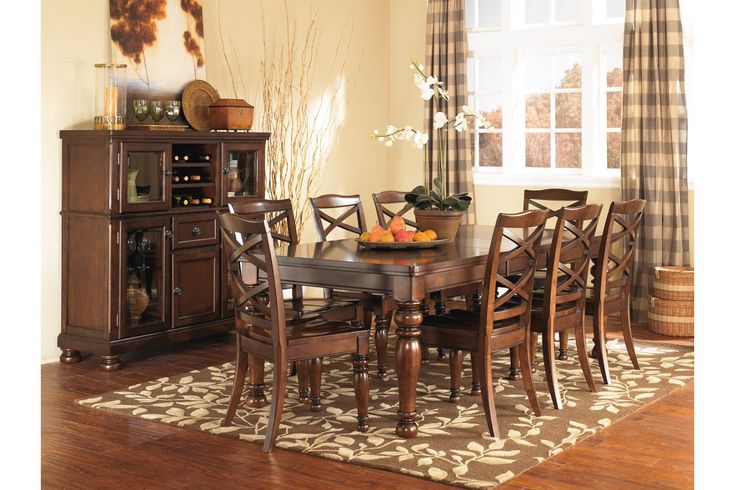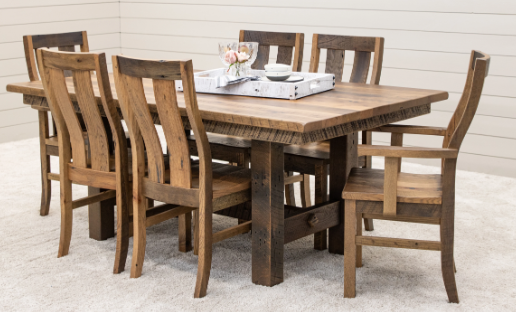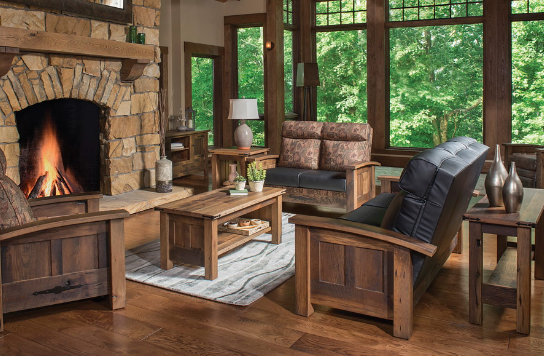
Farmhouse styling has been a popular interior design trend that combines comfort with rustic elegance, and reclaimed wood furniture is at the heart of this aesthetic. By incorporating reclaimed wood pieces into your home, you not only embrace sustainability but also add unique character and history to your space.
1. Understanding Reclaimed Wood
Reclaimed wood is sourced from old buildings, barns, and other structures, giving it a rich history and unique patina that new wood simply cannot replicate. This kind of wood is often stronger and more durable than newly harvested timber because it has had time to dry and settle, making it less likely to warp or split. When you choose reclaimed wood furniture, you’re opting for quality as well as a story that adds depth to your home’s design.
In addition to its strength and character, reclaimed wood is environmentally friendly. By repurposing wood, you help reduce the demand for new lumber, saving forests and minimizing carbon footprints. This practice not only conserves natural resources but also supports local artisans and industries focused on sustainability.
-
- Research the source of reclaimed wood to ensure it’s ethically sourced.
-
- Consider the finish; some prefer a more rustic look while others seek a polished appearance.
-
- Examine the wood for potential contaminants, especially if it comes from old buildings.
-
- Look for certified reclaimed wood for assurance of its quality and sourcing.
2. Choosing the Right Pieces for Your Space
When selecting reclaimed wood furniture, consider the style and size of your space. Large, bulky pieces may overwhelm a small room, while delicate items might get lost in a spacious area. A well-proportioned piece creates harmony in your design. Think about what function the furniture will serve; multifunctional pieces like coffee tables with storage can be particularly useful.
Another key consideration is the color palette. Reclaimed wood comes in various shades, from deep browns to weathered grays, each contributing to your farmhouse aesthetic. Don’t shy away from mixing different finishes; a combination of reclaimed oak and barn wood can create a rustic yet cohesive look that speaks to your personal style.
-
- Measure your space before buying; know your dimensions!
-
- Mix materials—pair reclaimed wood with metal for a contemporary twist.
-
- Consider your existing decor to ensure cohesion.
-
- Choose pieces that serve a purpose while enhancing your aesthetic.
3. Styling and Arranging Your Reclaimed Wood Furniture
Arranging reclaimed wood furniture is essential to showcasing its beauty and ensuring functionality. Begin by establishing a focal point in the room—this could be a stunning dining table or a beautifully crafted bookshelf. From there, arrange additional pieces to create balance and flow, ensuring that movement through the space is unobstructed.
Consider layering textures when styling your reclaimed wood pieces. Combine soft textiles such as wool or linen with the rough texture of wood for a cozy, inviting atmosphere. Use rugs to delineate spaces, especially in open floor plans, and don’t forget to accessorize! Adding potted plants, artwork, and textiles can enhance the overall look without overshadowing the furniture.
-
- Create a focal point to guide your arrangement.
-
- Layer different textures for visual interest.
-
- Use rugs to define spaces, especially in larger areas.
-
- Accessorize thoughtfully—keep your reclaimed pieces as the stars!
4. Maintenance Tips for Reclaimed Wood Furniture
Maintaining reclaimed wood furniture is crucial to preserving its beauty and longevity. Start with regular dusting using a soft cloth to prevent buildup. For deeper cleaning, use a damp cloth and mild soap, but make sure to avoid excessive moisture, as it can cause the wood to warp. To protect the finish, apply a specialized wood conditioner or a wax finish periodically.
Also, be mindful of your furniture’s exposure to sunlight, as prolonged direct light can cause fading. If possible, place pieces away from windows or use window treatments to control light exposure. Regularly inspect your furniture for signs of wear and address any issues promptly to prolong its life.
-
- Dust regularly with a soft cloth to prevent buildup.
-
- Cleans with mild soap; avoid soaking the wood.
-
- Use wood conditioner to maintain the finish.
-
- Limit sunlight exposure to prevent fading.
Embracing reclaimed wood furniture in your farmhouse styling is not just about aesthetics; it’s a way to weave sustainability and character into your living space. By making informed choices and caring for your pieces, you can create a warm and inviting atmosphere that reflects individual style and environmental consciousness. Start your journey by exploring local sources for reclaimed wood and envisioning how these unique pieces can enhance your home!