Designing a farm-style home or workspace can bring a cozy, rustic vibe to your environment. One effective way to achieve this warmth is through the use of distressed wood furniture accents. This blog post will explore how these pieces can transform your space, adding character and charm while also being functional.
1. Understanding Distressed Wood Furniture
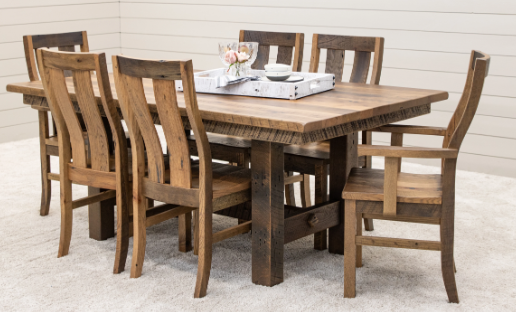
Distressed wood furniture is designed to look aged and weathered, providing an authentic farmhouse aesthetic. This type of furniture typically features visible wear marks, knots, and a rough texture, which give each piece its unique personality. The beauty of distressed wood lies not only in its visual appeal but also in its functionality; it’s generally more durable and can withstand the trials of everyday life.
When selecting distressed wood furniture, pay attention to the types of wood and construction quality. Hardwoods like oak or pine are popular choices due to their strength and longevity. Incorporating various furniture pieces, such as tables, chairs, and even cabinets, can create a cohesive design theme while allowing you to mix and match styles.
-
- Choose hardwoods for durability.
-
- Look for furniture with a reputable construction quality.
-
- Select pieces that complement each other in style.
-
- Mix different types of distressed finishes for added depth.
-
- Consider the existing decor to ensure harmony.
2. Practical Ways to Incorporate Distressed Wood Accents
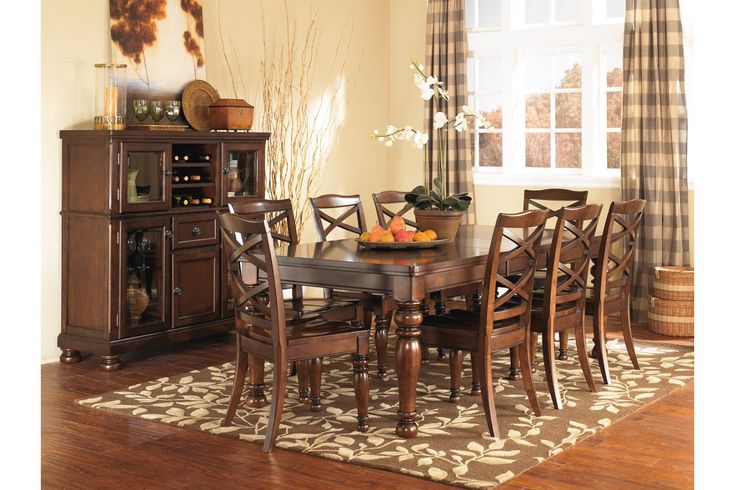
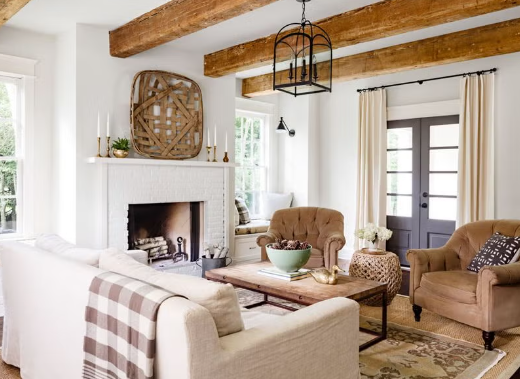
Incorporating distressed wood furniture into your home can be both simple and effective. Start with statement pieces like a large dining table or a rustic coffee table as the centerpiece of your living area. From there, add complementary accessories—such as side tables, benches, or even shelving units—to create a well-rounded look. Each piece should invite touch and use, embodying the very essence of farmhouse living.
Another method is utilizing distressed wood accents in unexpected places. Consider using distressed wood shelving in your kitchen or a wooden accent wall in your living room. These additions can seamlessly blend rustic charm into modern spaces, providing contrast while maintaining the warm atmosphere of a farmhouse design.
-
- Start with a focal point, like a dining table or coffee table.
-
- Keep your wood tones consistent across pieces for a cohesive look.
-
- Experiment with placing accents in non-traditional areas.
-
- Mix and match different types of farmhouse styles.
-
- Accessorize with soft textiles for added comfort.
3. Maintenance Tips for Distressed Wood Furniture
Maintaining distressed wood furniture doesn’t have to be complicated. Regular cleaning using a soft cloth will help to preserve the wood’s natural beauty while removing dust and accumulated dirt. Avoiding harsh chemicals is crucial, as they can strip the finish or damage the wood in the long term.
Each distressed piece will require a specific maintenance routine based on its use and exposure to the elements. Furniture inside your home may need less frequent care than outdoor pieces, which might need weatherproofing or protective oils. Investing time in proper maintenance will help your furniture keep its character while ensuring it lasts for years.
-
- Dust regularly with a soft cloth and avoid using harsh cleaners.
-
- Apply wood oils or wax to keep the finish looking fresh.
-
- Store furniture indoors to minimize weather exposure.
-
- Inspect regularly for any signs of wear or damage.
-
- Be mindful of heavy objects placed on the furniture to avoid dents.
4. Creating a Complementary Color Palette
Choosing the right color palette to pair with distressed wood furniture is essential for creating a harmonious space. Earthy tones like browns, greens, and muted blues evoke a rustic feel and work well with the rough texture of the wood. Additionally, you can incorporate pastel shades for a lighter, airier ambiance, which suits farmhouse aesthetic themes beautifully.
Don’t shy away from contrasting colors either; deep blues or rich reds can create a striking visual impact when paired with the natural tones of distressed wood. Just be sure to balance bold colors with neutral shades to avoid overwhelming your space. Consider including other materials like linen or cotton in your textile choices to soften the overall look.
-
- Opt for earthy tones and pastels for a classic farmhouse look.
-
- Use contrasting colors to create focal points.
-
- Incorporate fabrics like linen to add softness.
-
- Test paint samples in your space to find harmony.
-
- Avoid overly bright colors that clash with wood tones.
In conclusion, distressed wood furniture can beautifully enhance your farmhouse design, offering both aesthetic appeal and functionality. By understanding its characteristics and applying practical designs, you can create a warm and welcoming environment. Consider exploring different furniture pieces and styles to find what works best for your space, and don’t hesitate to reach out to professionals for personalized advice if needed.