Farm design is evolving, integrating aesthetics and sustainability to create inviting and functional spaces. One of the most significant trends shaping this evolution is the use of reclaimed wood furniture, which not only adds charm but also emphasizes a deep respect for nature.
1. The Appeal of Reclaimed Wood
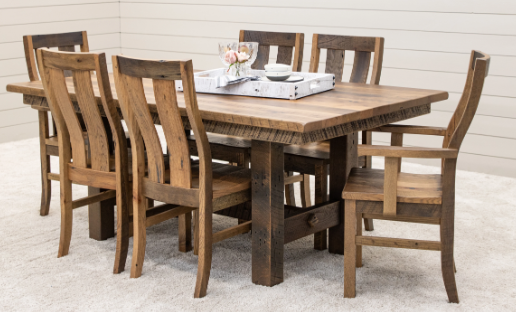
Reclaimed wood is sourced from old buildings, barns, and other structures, giving it a unique character and history. This type of wood often features distinctive grain patterns and natural imperfections that contribute to its rustic charm. For many designers and homeowners, the allure lies not just in its beauty but also in its sustainability. By choosing reclaimed materials, they are helping reduce waste and conserve natural resources.
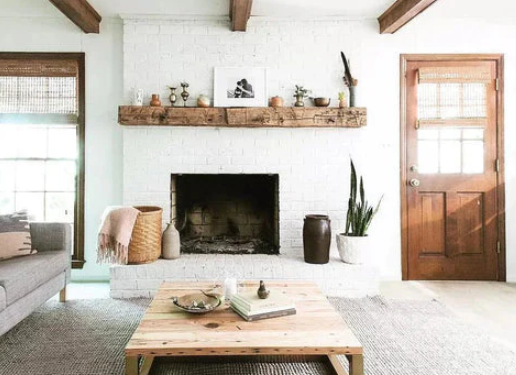
Additionally, reclaimed wood is incredibly versatile and adaptable to various design styles, from traditional to modern aesthetics. Using reclaimed wood furniture in a farm design can enhance the aesthetic appeal of your space, providing a warm, welcoming atmosphere. Whether it’s a sturdy dining table, rustic shelves, or vintage-looking cabinets, reclaimed wood furniture brings a piece of history into your home.
-
- Choose furniture made from local reclaimed wood to support sustainable practices.
-
- Look for varied textures and colors in reclaimed wood to enrich your design.
-
- Consider upcycling old furniture with reclaimed wood accents.
-
- Visit local reclamation yards to find unique pieces that inspire your design.
2. Blending Modern and Rustic Elements
Integrating reclaimed wood furniture into modern farm designs allows for a beautiful contrast between contemporary and traditional elements. For example, pairing a sleek, glass-top table with rustic, reclaimed wood legs creates an eye-catching centerpiece. This juxtaposition allows homeowners to express their personal style while cultivating a warm, farmhouse feel.
The combination of different materials also encourages creativity and can result in innovative design solutions. Designers can mix reclaimed wood with metal, glass, and even textiles, creating a harmonious balance that showcases each material’s unique qualities. By being adventurous with combinations, you can develop a cohesive design that highlights the best of both worlds.
-
- Experiment with various materials in furniture for an engaging design.
-
- Combine reclaimed wood pieces with modern accessories for a balanced look.
-
- Opt for neutral color palettes to allow the wood’s natural tones to shine.
-
- Consider functionality along with aesthetics when choosing furniture styles.
3. Functional Spaces with Reclaimed Wood Furniture
Using reclaimed wood in farm design is not just about aesthetics; it’s also about functionality. Reclaimed wood furniture often offers practical features, such as built-in storage or multi-purpose designs that make the most of your space. For instance, a reclaimed wood coffee table with drawers can serve as both a decorative piece and a storage solution.
Moreover, the durability of reclaimed wood makes it an excellent choice for high-traffic areas. When properly treated, reclaimed wood can withstand daily wear and tear, making it suitable for family homes like those found on modern farms. This combination of durability and aesthetic appeal ensures that your furniture can endure while still providing an inviting environment.
-
- Choose multi-functional pieces to maximize utility in small spaces.
-
- Look for reclaimed wood items that offer storage solutions.
-
- Maintain your furniture with proper cleaning techniques to enhance longevity.
-
- Consider the flow of your space to ensure furniture placement enhances functionality.
4. Sustainability and Eco-Friendly Choices
Adopting reclaimed wood furniture is a step towards a more sustainable lifestyle. By using recycled materials, you are not only reducing waste but also minimizing the demand for new timber harvesting, which can lead to deforestation. Many reclaimed wood sources come from local suppliers, further reducing your carbon footprint.
In addition to environmental benefits, choosing reclaimed wood often supports local artisans and businesses, contributing to a more robust local economy. When you purchase these unique pieces, you’re often investing in craftsmanship that honors traditional methods while promoting sustainability in design. Taking the eco-friendly route can add a sense of fulfillment to your design choices.
-
- Research the sourcing and history of the reclaimed wood you purchase.
-
- Support local craftsmen who specialize in reclaimed wood furniture.
-
- Incorporate plants and organic materials in your design for a holistic approach to sustainability.
-
- Stay informed about eco-friendly practices to make better choices in the future.
In conclusion, reclaimed wood furniture is a beautiful and sustainable choice for modern farm designs. By embracing this trend, you not only enhance your space aesthetically but also contribute to environmental conservation. Consider consulting with a design professional to explore how reclaimed wood can fit seamlessly into your farm design plans.