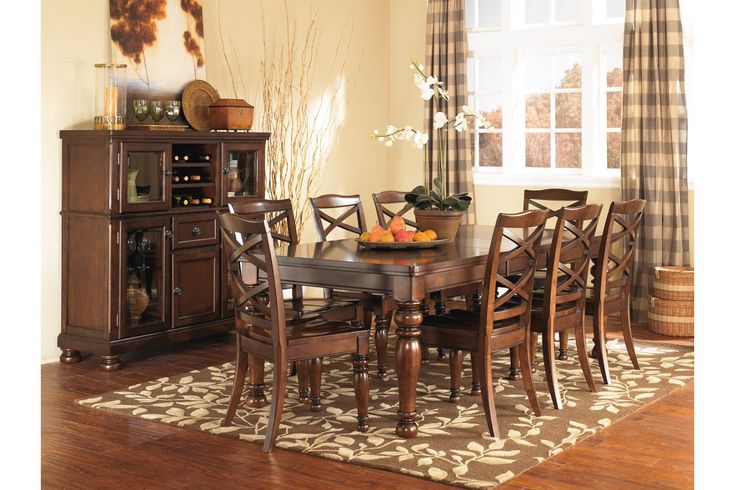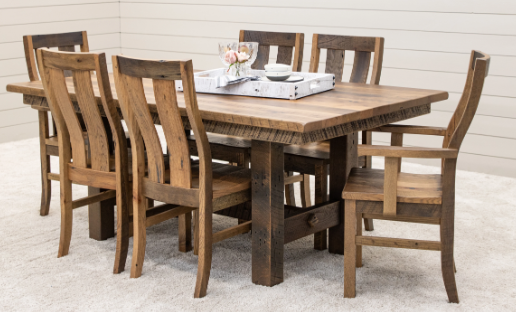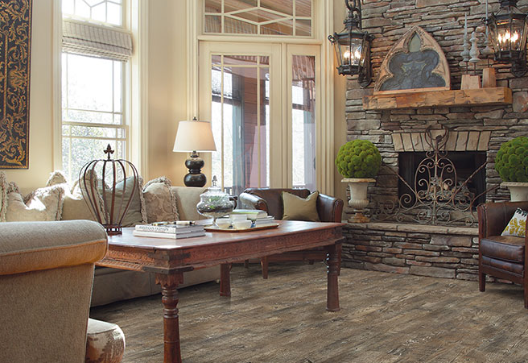
Reclaimed wood furniture is more than just a design choice; it embodies a lifestyle rooted in sustainability and farmhouse simplicity. With its rustic charm and unique history, reclaimed wood offers a perfect blend of aesthetics and practicality, making it a timeless choice for home décor.
1. The Beauty of Reclaimed Wood
Reclaimed wood is sourced from old buildings, barns, and other structures that are no longer in use. Each piece tells a story, showcasing the weathered textures and natural colors that cannot be replicated in new materials. This distinctive character makes reclaimed wood a standout in any space, whether you’re designing a modern home or a traditional farmhouse.
When choosing reclaimed wood furniture, it is important to consider the types of wood available. Hardwoods like oak, walnut, and cherry are popular choices due to their durability and rich grain patterns. Furniture made from reclaimed woods can also evoke a sense of nostalgia, transporting you back in time and creating a warm and inviting atmosphere within your home.
-
- Research the types of reclaimed wood available in your area.
-
- Visit local stores or online outlets to see their collections.
-
- Consider how each type of wood complements your existing décor.
-
- Inquire about the history of the wood for added character.
2. Sustainable Living and Eco-Friendly Choices
Choosing reclaimed wood furniture is an excellent step towards a more sustainable lifestyle. By opting for reclaimed materials, you are reducing the demand for new lumber, which can help preserve forests and reduce deforestation. Additionally, reclaimed wood often incorporates a range of imperfections and character traits that add to its charm, rather than taking away from it.
Furthermore, many reclaimed wood furniture makers follow environmentally friendly practices, using non-toxic finishes and glues that minimize harmful emissions. When you invest in these pieces, you not only support eco-responsible businesses but also create a healthier living environment for yourself and your family.
-
- Research local artisans who specialize in reclaimed wood furniture.
-
- Ask about the finishes and materials used in the furniture.
-
- Choose pieces that are made sustainably and responsibly.
-
- Share your commitment to sustainability with family and friends.
3. Embracing Farmhouse Simplicity in Design
Farmhouse simplicity is characterized by natural materials, functionality, and an uncluttered aesthetic. Reclaimed wood furniture fits perfectly within this design philosophy, offering functional pieces that are both beautiful and practical. From dining tables to bookshelves, these items can provide essential storage and surfaces while enhancing the overall rustic vibe of your home.
Incorporating reclaimed wood furniture into your home doesn’t mean sacrificing style for functionality. Instead, it provides an opportunity to embrace a simpler lifestyle, focusing on the essentials while celebrating the beauty of craftsmanship. This can include mixing reclaimed wood features with softer textiles, neutral colors, and vintage accessories, adding warmth and comfort to your space.
-
- Choose multifunctional reclaimed wood pieces like coffee tables with storage.
-
- Keep the color palette neutral to highlight the natural beauty of wood.
-
- Incorporate soft textiles, such as linen or cotton, to balance the heaviness of wood.
-
- Add vintage décor items for a cohesive farmhouse look.
4. Maintenance Tips for Reclaimed Wood Furniture
To keep your reclaimed wood furniture looking its best, proper maintenance is key. Regular cleaning with a soft cloth can help prevent dust buildup, while occasional oiling can enhance the wood’s natural grain and protect it from drying out. It’s vital to avoid harsh chemicals that can damage the finish and strip the wood of its beauty.
Additionally, maintaining a stable indoor climate is essential for preserving the integrity of reclaimed wood. Extreme temperature or humidity changes can cause the wood to warp or crack. Consider using humidifiers during dry seasons and air conditioners during humid months to create a more balanced environment for your furniture.
-
- Dust regularly with a soft, dry cloth.
-
- Use natural oils to condition wood surfaces as needed.
-
- Avoid placing hot or wet items directly on wood.
-
- Adjust indoor humidity and temperature to protect the wood.
In conclusion, reclaimed wood furniture not only enhances the beauty of your home but also promotes a sustainable lifestyle rooted in farmhouse simplicity. By embracing these timeless pieces, you can create a warm, inviting space that tells a story while being mindful of the environment. Consider consulting with local artisans or professionals to find the perfect reclaimed wood furniture for your home today!