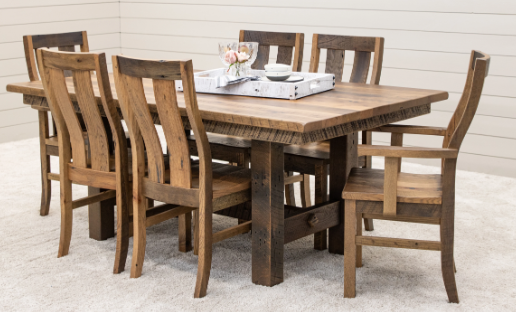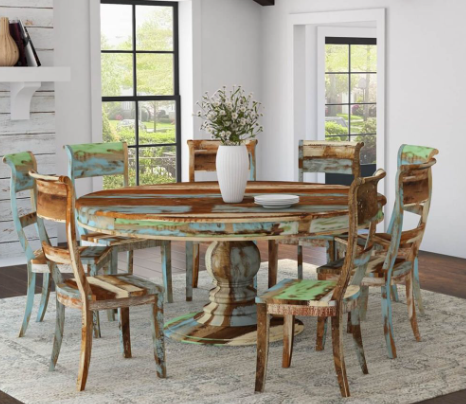
Reclaimed wood furniture is an increasingly popular choice for rustic farm interiors, bringing both character and sustainability to homes. By using wood that has been salvaged from old barns, fences, and other structures, homeowners can create unique pieces that tell a story while being environmentally friendly.
1. The Benefits of Reclaimed Wood Furniture
One of the most significant advantages of using reclaimed wood is its durability. Unlike new wood, which can be harvested from young trees, reclaimed wood comes from mature trees that have already endured the elements. Over time, the wood develops a unique patina and character, which enhances the aesthetic of rustic farm interiors.
Moreover, reclaimed wood is often more sustainable than freshly cut lumber. The process of reclaiming wood not only reduces waste but also helps in preserving forests. By choosing reclaimed wood furniture, homeowners also support eco-friendly practices, contributing to counteracting deforestation and promoting responsible resource use.
-
- Look for reputable suppliers that specialize in reclaimed wood.
-
- Check the wood for signs of treatment to ensure it is safe for indoor use.
-
- Consider the unique textures and colors you want in your furniture.
-
- Consult with a professional for restoration or refinishing needs.
2. Choosing the Right Pieces for Your Interior
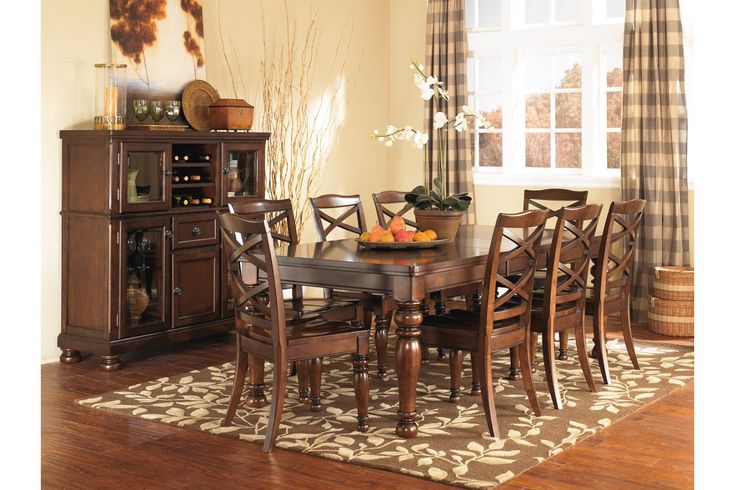
Selecting the right reclaimed wood furniture is essential for achieving a cohesive rustic look. Popular options include dining tables, coffee tables, and shelving units, which often act as focal points in a room. When choosing these pieces, consider the style and finish—more rugged finishes may suit a casual farmhouse, while polished options may lend a more refined touch.
Additionally, scale and proportion are critical. Large pieces can dominate a smaller space, making it feel cramped, while tiny items may get lost in expansive rooms. Balance is key; ensure that the furniture complements existing architectural elements and décor while fitting the overall theme of your rustic farm interior.
-
- Measure your space before purchasing any large furniture.
-
- Think about functionality—will the piece serve a practical purpose?
-
- Choose complementary colors that harmonize with your existing décor.
-
- Mix and match textures for added depth and interest.
3. Maintenance and Care for Longevity
Caring for reclaimed wood furniture is crucial for its lasting beauty. Regular maintenance can prevent wear and tear, ensuring that your pieces remain stunning for years to come. Start by dusting regularly with a soft cloth to keep surfaces clean. For stubborn stains, a damp cloth can help, but always avoid harsh chemicals that may damage the finish.
If your furniture becomes scratched or shows signs of wear, consider applying a wood conditioner or polish that’s safe for reclaimed wood. Depending on the type of finish, you may also want to refinash every few years to restore its original luster and protect it from moisture. A little routine care can significantly extend the life of your furniture.
-
- Dust furniture regularly with a soft cloth to prevent accumulation.
-
- Use coasters and placemats to protect against damage.
-
- Apply a suitable wood conditioner periodically.
-
- Keep wood away from direct sunlight to prevent fading.
4. Incorporating Reclaimed Wood Furniture with Other Elements
Integrating reclaimed wood furniture with other design elements can enhance the rustic feel of your space. Pair these pieces with natural fabrics, like cotton and linen, or other organic materials such as stone and metal. This creates a cohesive look that feels grounded in nature.
Accessories play a crucial role in achieving the perfect rustic environment. Incorporate items like vintage ceramic pots, woven baskets, or textiles with earthy tones. Layering textures is also key—mixing reclaimed wood with soft fabrics and industrial metal helps to create a visually appealing contrast.
-
- Mix different finishes (matte, glossy) for visual interest.
-
- Utilize natural light through large windows to complement rustic themes.
-
- Choose accessories that reflect the countryside, such as garden-related items.
-
- Opt for artwork that features natural landscapes or wood motifs.
In conclusion, reclaimed wood furniture not only adds character and warmth to rustic farm interiors but also supports sustainable practices. By selecting the right pieces, caring for them appropriately, and complementing them with natural elements, homeowners can create a stunning backdrop that truly tells a story. Start exploring reclaimed furniture options today, and transform your space into a charming retreat.