Reclaimed wood furniture has become a staple in heritage farm design, blending rustic charm with ecological sustainability. This unique style not only pays homage to traditional craftsmanship but also promotes environmental consciousness.
1. The Essence of Reclaimed Wood
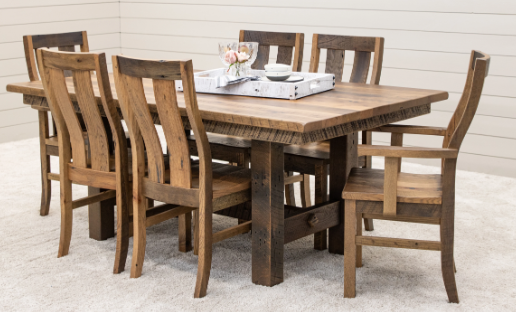
Reclaimed wood is sourced from old structures, such as barns, factories, or warehouses, giving it a rich history and character. This type of wood is not only durable but also showcases unique textures, colors, and grains that modern woods simply can’t replicate. For instance, a piece of furniture made from old barn wood can exhibit nail holes, weathered surfaces, and variegated hues that tell the story of its origin.
Using reclaimed wood in furniture making is an eco-friendly choice, as it reduces the demand for new lumber and minimizes waste. The environmental benefits extend beyond simply reusing materials; reclaimed wood requires less energy for processing and transport compared to freshly cut timber. Therefore, incorporating this wood into your home design can significantly lower your carbon footprint.
-
- Look for local suppliers or markets that specialize in reclaimed wood.
-
- Check the history and sourcing of the materials for authenticity.
-
- Consider the finishes used to ensure they are environmentally friendly.
-
- Ask about the maintenance requirements specific to reclaimed wood.
2. Achieving Aesthetic Appeal
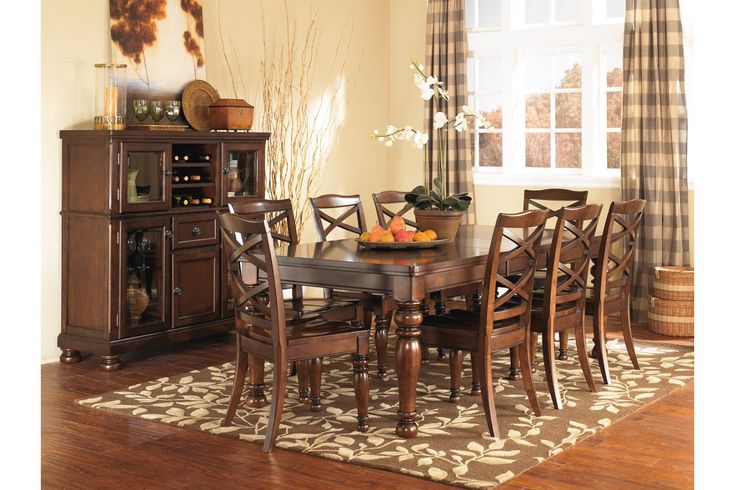
In heritage farm design, reclaimed wood furniture seamlessly combines functionality with aesthetic appeal. Pieces like dining tables, benches, and cabinets can feature intricate designs while still maintaining a rustic vibe. For example, a large dining table crafted from reclaimed oak can become the centerpiece of your dining area, evoking a sense of warmth and hospitality.
Beyond just furniture, reclaimed wood can be used in accents such as shelving and wall paneling. These elements add texture and depth to a space, creating visual interest. The natural imperfections found in reclaimed wood enhance the farmhouse aesthetic, making it both inviting and stylish.
-
- Choose reclaimed pieces that resonate with your personal style.
-
- Mix and match wood types to create dimension in your space.
-
- Incorporate complementary decor, such as wrought iron or vintage pottery.
-
- Highlight unique features, such as knots and grain patterns, through strategic lighting.
3. Practical Considerations for Integration
When integrating reclaimed wood furniture into your heritage farm design, practical considerations should be taken into account. While reclaimed wood is sturdy, it can require specific care and maintenance to protect it from environmental factors. Always apply appropriate finishes that can guard against moisture, dirt, and wear.
Moreover, ensure that your reclaimed wood pieces are compatible with your home’s layout and décor style. Avoid overcrowding a space with too many bulky pieces; opt for a few standout items that draw the eye without overwhelming the room. Additionally, remember to factor in storage solutions – pieces that serve dual purposes can maximize your available space.
-
- Assess the moisture levels in your home to determine the best finishes.
-
- Balance large reclaimed pieces with lighter accessories to maintain flow.
-
- Invest in furniture that combines style with function for better utility.
-
- Consider using area rugs to define spaces and add warmth.
4. The Ethical Dimension
An increasingly important aspect of using reclaimed wood in furniture design is the ethical dimension. Sourcing reclaimed wood supports sustainable practices and is often tied to local artisans, helping to boost the local economy. By choosing reclaimed furniture, you are contributing to a movement that prioritizes environmental responsibility and craftsmanship.
Furthermore, using reclaimed wood minimizes deforestation, which is crucial for biodiversity and ecosystem health. Each piece becomes a conversation starter, allowing you to share the story behind your furniture and its journey from an old structure to a beautiful home element. This sense of community and care reflects the true spirit of heritage farm design.
-
- Assemble a team of local artisans for bespoke reclaimed wood projects.
-
- Research the environmental impact of your choices.
-
- Support businesses that prioritize ethical sourcing and craftsmanship.
-
- Share your story and encourage others to consider reclaimed options.
5. Maintenance and Care Tips
Taking care of reclaimed wood furniture is crucial to ensuring longevity. First, it’s important to dust your pieces regularly to prevent dirt buildup. A microfiber cloth can effectively lift dust without scratching the wood’s surface. For deeper cleaning, use a damp cloth with a mild soap solution, but ensure you promptly dry the surface to avoid moisture damage.
Additionally, occasional oiling can enhance the natural beauty of the wood. Choose a food-safe mineral oil or a specialized wood conditioner designed for reclaimed wood. Apply it sparingly and buff it in with a soft cloth for a finished look. This regular maintenance will keep your furniture looking its best for years to come.
-
- Dust your reclaimed furniture weekly to prevent buildup.
-
- Use mild soap with a damp cloth for occasional cleaning.
-
- Regularly apply oil or conditioner for enhanced beauty.
-
- Avoid placing hot or wet items directly on the surface.
In conclusion, embracing reclaimed wood furniture in heritage farm design not only elevates your home’s aesthetic but also championed sustainability and rich history. Consider reaching out to local craftsmen or exploring reclaimed materials to turn your vision into reality. Each piece you select can make a positive impact while telling a unique story.