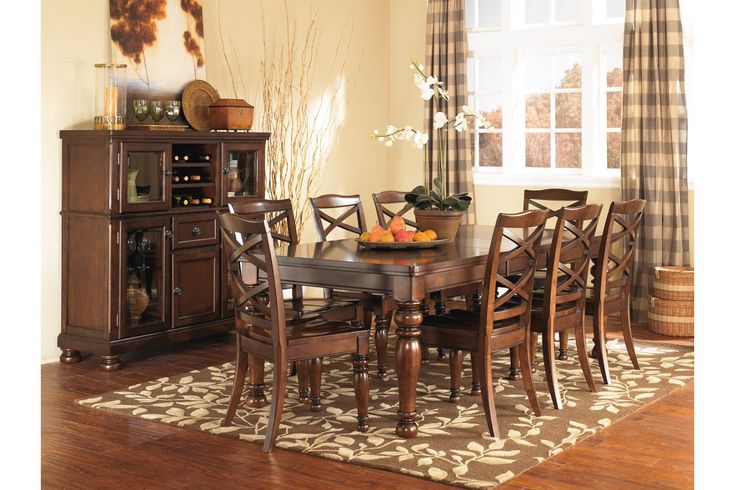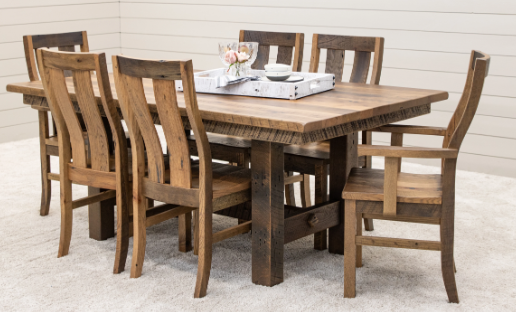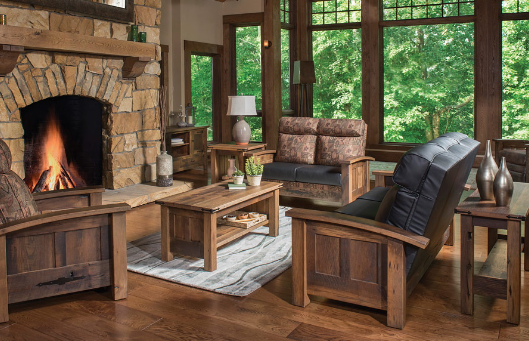
Reclaimed wood furniture is a beautiful way to embrace the charm of country farm style while making eco-friendly choices. This type of furniture brings a unique character to your home, combining rustic aesthetics with sustainability. In this post, we’ll explore why reclaimed wood furniture is so beloved in country farm designs and share practical tips for incorporating it into your decor.
1. The Charm of Reclaimed Wood
Reclaimed wood adds a rich history and warmth to any space. Each piece carries its own story, often originating from old barns, factories, or homes. This not only makes reclaimed wood furniture a stunning focal point but also promotes environmental consciousness by reducing waste and minimizing the demand for new lumber.
From dining tables to bookshelves, reclaimed wood can effortlessly elevate a space. The unique grains, knots, and colors found in reclaimed pieces create visually appealing contrasts and can enhance the overall decor of your country farm-style home. You might spot beautiful weathered finishes or vibrant hues that tell tales of their past life, making each piece truly one-of-a-kind.
-
- Choose furniture made from salvaged wood to honor the environment.
-
- Look for pieces with authentic distress marks for added character.
-
- Consult with artisans who specialize in reclaimed wood furniture.
-
- Consider the source of the reclaimed wood for authenticity.
2. Mixing and Matching Styles
While reclaimed wood fits beautifully into traditional country farm styles, it also pairs wonderfully with modern elements. This allows for creativity and expression in your decor. Mixing various materials, such as metal, glass, or leather, with reclaimed wood furniture can create a unique and inviting space.
For example, consider combining a reclaimed wood dining table with contemporary chairs or mixing a rustic sideboard with sleek, minimalist decor. This blending of styles not only keeps your space fresh and interesting but also reflects your personality and taste.
-
- Experiment with contrasts; pair soft textiles with hard reclaimed surfaces.
-
- Incorporate modern art or decor alongside rustic wood pieces.
-
- Choose light fixtures that complement both styles harmoniously.
-
- Use color palettes that bridge the gap between rustic and contemporary.
3. Care and Maintenance of Reclaimed Wood Furniture
Caring for reclaimed wood furniture requires some dedicated attention to preserve its beauty and durability. Regular cleaning is essential to prevent dust and grime build-up, which can impact the finish over time. Use a soft cloth and a mild soap solution to wipe down surfaces, avoiding harsh chemicals that may damage the wood.
Additionally, consider applying a protective finish or a nourishing oil every few months. This can help maintain the wood’s natural sheen and protect it from moisture and wear. Knowing the history of the wood will guide you in choosing the right products for care, ensuring longevity and vibrancy.
-
- Clean with a damp cloth, avoiding excessive water exposure.
-
- Apply wood conditioner or oil to keep the surface hydrated.
-
- Avoid placing hot items directly on reclaimed surfaces.
-
- Use coasters and placemats to protect against scratches and stains.
4. Sourcing Reclaimed Wood Furniture
When it comes to finding quality reclaimed wood furniture, look for reputable sources that specialize in sustainable practices. Many artisans and local workshops curate unique pieces that showcase the beauty and history of reclaimed wood. Shopping locally not only gives you assurance of quality but also supports your community.
Online platforms and specialty stores also offer a wide range of options. Always check for certifications or transparency in sourcing to ensure that the wood was reclaimed responsibly. Be sure to ask about the origin of the materials, as this can enhance both the story of the piece and its ecological impact.
-
- Research local artisans and craftspeople who specialize in reclaimed wood.
-
- Visit flea markets or antique shops for unique finds.
-
- Use online marketplaces with good reviews and return policies.
-
- Seek transparency in sourcing to ensure ethical practices.
5. Personalizing Reclaimed Wood Furniture
One of the greatest advantages of reclaimed wood furniture is its ability to be personalized. Whether it’s through paint, stain, or even DIY projects, there are numerous ways to tailor pieces to your specific taste. Adding your unique touch can transform a simple reclaimed wood table into a family heirloom.
Consider customizing a reclaimed wood shelf with hooks for your entryway, or turning a table into a game table by adding a board on top. By incorporating elements that reflect your style and needs, you create something that is not only functional but also captures your personal story and aesthetic.
-
- Use stains to achieve desired finishes that match your decor.
-
- DIY additional features to fit your lifestyle, such as extending shelves.
-
- Consider adding personal engravings for a unique touch.
-
- Incorporate textile elements like cushions to soften the look.
In conclusion, reclaimed wood furniture is an ideal addition to a country farm style home, offering beauty, sustainability, and character. With thoughtful sourcing, mixing styles, and personalizing your pieces, you can create a warm and inviting space that reflects your individual style. Start exploring local options today and find that perfect piece that tells a story of its own!