Reclaimed wood furniture is rapidly becoming a staple in sustainable farm design. Not only does it offer a unique aesthetic appeal, but it also supports environmental conservation by reducing waste. In this post, we will explore the benefits of incorporating reclaimed wood into your farm’s design, practical considerations, and tips for choosing the right pieces.
1. The Environmental Benefits of Reclaimed Wood
Using reclaimed wood furniture helps to conserve natural resources by repurposing materials that would otherwise end up in landfills. This process not only reduces waste but also minimizes the need for cutting down new trees, thus protecting ecosystems and biodiversity. Since much of the reclaimed wood comes from old barns, warehouses, or furniture, it often possesses unique character and history, adding a touch of charm to your farm’s aesthetic.
Moreover, reclaimed wood often involves less energy consumption during its production compared to newly sourced wood, which may require extensive processing and transportation. By opting for reclaimed wood, farmers can lower their carbon footprint, aligning their practices with sustainable values. When you choose this material for your furniture, you’re contributing to a holistic approach to farming that respects both heritage and the environment.
-
- Research local sources of reclaimed wood to reduce transportation emissions.
-
- Look for wood certified by sustainability organizations to ensure its provenance.
-
- Consider the energy used in refurbishing the wood when assessing its sustainability.
-
- Opt for pieces that tell a story, adding more than just functionality to your space.
2. Practical Considerations for Choosing Reclaimed Wood Furniture
While there are many benefits to using reclaimed wood, it’s essential to consider a few factors before making a purchase. Firstly, inspect the quality and condition of the wood, ensuring that it’s free from pests, mold, or decay. This is particularly important for furniture that will be used frequently, as the structural integrity is crucial for longevity. Many reclaimed wood products are treated for these issues, but it’s always good to double-check.
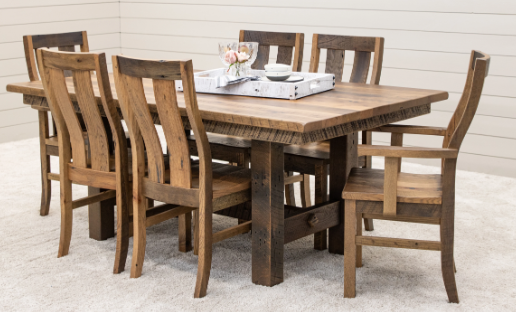
Another consideration is the wood’s finish. Some reclaimed wood is left rustic and untreated, while others are polished and sealed for modern usage. Depending on your farm’s overall aesthetic and intended use, you may prefer one finish over another. For example, a more rustic finish could complement a traditional farmhouse look, while a sleek, polished finish might suit a modern agricultural design.
-
- Examine the wood for signs of moisture damage or insect infestations.
-
- Ask sellers about the treating and refinishing processes used on the wood.
-
- Consider whether the furniture piece matches the existing decor of your farm.
-
- Request samples if available to understand how the wood fits into your vision.
3. Ideas for Incorporating Reclaimed Wood Furniture into Sustainable Farm Design
There are numerous ways to incorporate reclaimed wood furniture into your farm’s design. Start with outdoor seating arrangements made from reclaimed wood picnic tables or benches; they not only provide functional gathering spaces but also blend seamlessly with natural surroundings. Additionally, indoor farming spaces can greatly benefit from reclaimed wood shelving and storage units that add both character and utility.
Consider using reclaimed wood for signposts or decorative items that can enhance your farm’s branding. Items like wall art or decorative fences made from reused barn wood can serve to attractively delineate your farm area and provide a welcoming atmosphere for visitors. Each piece of reclaimed furniture or decoration becomes a conversation starter, as well as a testament to sustainable practices.
-
- Plan your furniture layout around different areas of your farm to ensure functionality.
-
- Create zones using furniture, such as dining areas or relaxing spaces.
-
- Incorporate signage made from reclaimed wood to promote sustainability.
-
- Consider seasonal changes and how your furniture choices will withstand various weather conditions.
In conclusion, reclaimed wood furniture not only enhances the aesthetic value of sustainable farm designs, but it also aligns perfectly with eco-friendly farming practices. As you build or renovate your farm, consider the numerous benefits of incorporating this unique material into your space. Take a moment to consult with a professional or local craftsman who can help you choose the right pieces for your sustainable journey.