Farmhouse makeover style combines rustic tradition with modern comfort, resulting in interiors that feel welcoming, balanced, and enduring. Whether applied to a single room or an entire home, this approach focuses on natural materials, functional design, and subtle elegance.
Highlight Natural Materials
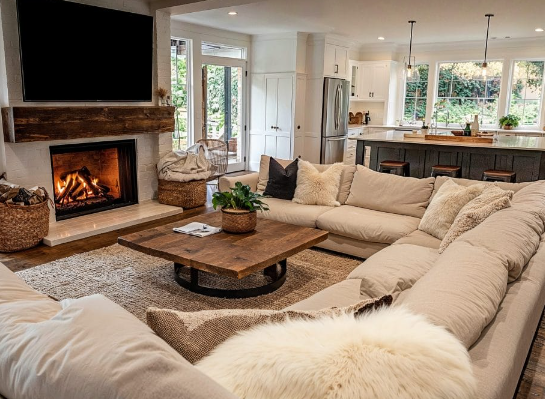
A farmhouse makeover should emphasize materials that feel organic and timeworn. Wood plays a central role, from exposed beams and hardwood floors to furniture with visible grain and texture. Stone, brick, and iron details add contrast and durability. These materials bring depth and authenticity, making spaces feel grounded and lived-in.
Create a Calm Color Palette
Farmhouse interiors are known for their soothing color schemes. Soft whites, warm taupes, light grays, and muted earth tones provide a versatile backdrop. These colors allow architectural features and furnishings to stand out while maintaining visual harmony. Layering similar tones prevents the space from feeling flat or sterile.
Blend Old and New Elements
A successful farmhouse makeover balances vintage charm with modern convenience. Pair antique or distressed furniture with contemporary upholstery or clean-lined accessories. This contrast keeps the space from feeling overly rustic while preserving its character. Reclaimed items, such as old doors or tables, often become focal points that add narrative value.
Prioritize Comfort and Function
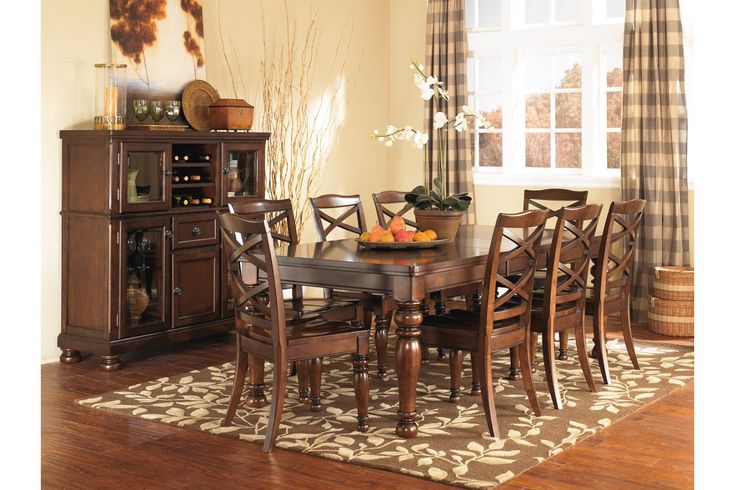
Farmhouse style is rooted in practicality. Furniture should be comfortable, sturdy, and suitable for daily use. Large dining tables, deep sofas, and multifunctional storage pieces are essential. Open layouts and uncluttered surfaces reinforce the relaxed, family-oriented nature of farmhouse interiors.
Use Lighting to Define Atmosphere
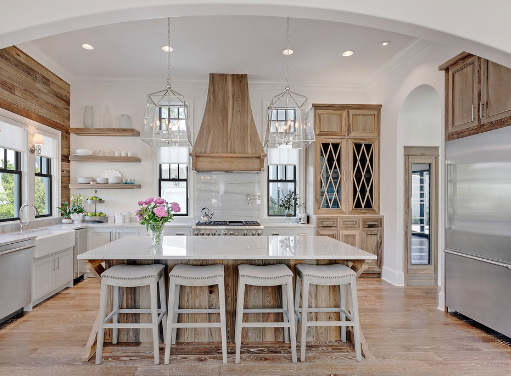
Lighting enhances both function and mood. Farmhouse makeovers benefit from fixtures with simple silhouettes, such as metal pendants, lantern-style chandeliers, or wall-mounted sconces. Warm lighting tones soften the space and highlight textures, contributing to a cozy and inviting environment.
Add Texture Through Textiles
Textiles complete the farmhouse look by adding warmth and softness. Linen curtains, woven rugs, cotton cushions, and light throws prevent neutral spaces from feeling cold. Subtle patterns, such as stripes or checks, can be incorporated sparingly for visual interest.
Personalize with Meaningful Details
Finally, farmhouse style feels most authentic when it reflects personal taste. Handmade objects, family heirlooms, or understated decorative pieces give the space individuality. A thoughtful farmhouse makeover is not about perfection, but about creating a home that feels genuine, comfortable, and timeless.