Embracing farmhouse living has become increasingly popular, and one of the key elements that embody this cozy aesthetic is reclaimed wood furniture. Not only does it add charm and character to your home, but it also promotes sustainability and eco-friendliness. Let’s explore how you can incorporate reclaimed wood furniture into your farmhouse living space.
1. Understanding Reclaimed Wood
Reclaimed wood is not only aesthetically pleasing but also carries history and character. Typically sourced from old barns, factories, and warehouses, this wood has a robust quality that new wood simply can’t replicate. Each piece comes with its own unique stories, marks, and textures that make it stand out in your home decor.
Additionally, using reclaimed wood is an environmentally friendly choice. By repurposing old wood, you’re helping to reduce waste and lower the demand for chopped-down trees. This choice directly contributes to a more sustainable living environment, which is essential for the planet’s health.
-
- Research the history of the wood for added meaning.
-
- Inspect for quality, ensuring no hidden damage.
-
- Consider the type of wood for durability and aesthetics.
-
- Check for chemical treatments that may affect use.
2. Choosing the Right Pieces for Your Space
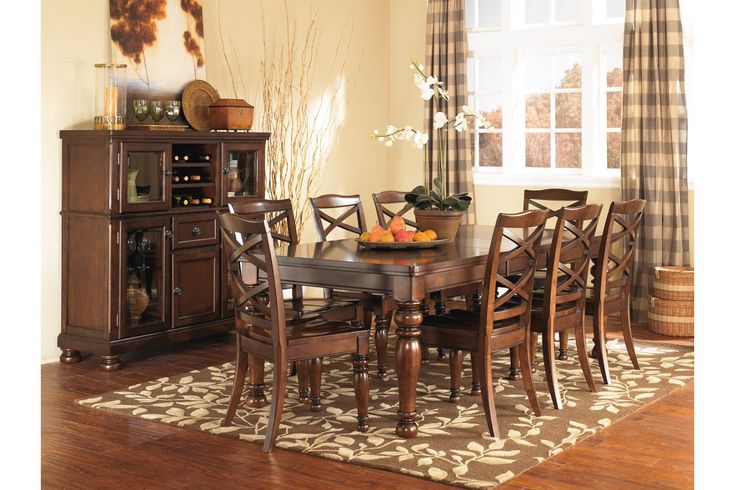
Selecting the proper reclaimed wood furniture is critical to enhancing your farmhouse style. Common pieces like dining tables, chairs, and shelving can set the tone for your space. When choosing these items, look for furniture that reflects the warmth and rustic charm typical in farmhouse design.
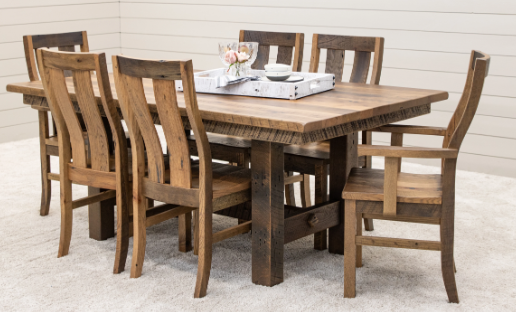
Consider how each piece complements your existing decor. For instance, a weathered barnwood table can serve as a stunning centerpiece in a kitchen or dining area, while rustic shelves can provide functional storage while showcasing decorative items. Think about the scale of your space to ensure that larger items don’t overpower smaller rooms.
-
- Keep a cohesive color scheme in mind.
-
- Measure your space before purchasing furniture.
-
- Mix different wood finishes for texture.
-
- Utilize multipurpose pieces for small areas.
3. Maintaining Reclaimed Wood Furniture
Maintaining reclaimed wood furniture is easier than one might think. Start with regular dusting and cleaning using a soft cloth to remove dirt without harming the wood. For deeper cleaning, a mixture of vinegar and water can preserve its finish without chemical damage.
To maintain the integrity of wood, it’s also essential to regularly check for signs of wear or damage, such as cracks or loose joints. If you notice any issues, address them promptly to prevent further deterioration. Applying a sealant or protective coating can help repel moisture and stains.
-
- Dust your furniture weekly to maintain its appearance.
-
- Use coasters to avoid water rings on surfaces.
-
- Avoid direct sunlight to prevent fading.
-
- Keep humidity levels stable to prevent warping.
4. Styling Tips for a Farmhouse Look
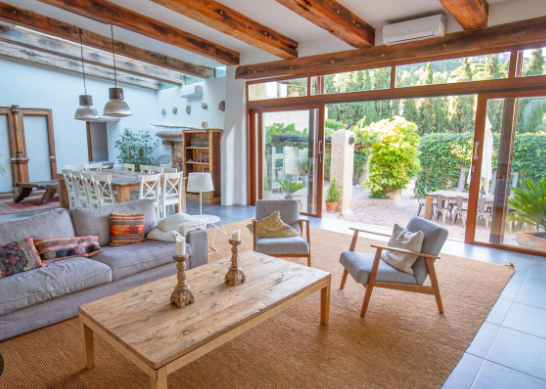
While reclaimed wood furniture itself is a significant aspect of farmhouse design, styling it correctly will enhance its rustic allure. Mixing textures with materials such as metal, linen, and leather can create a warm yet sophisticated atmosphere. Consider adding soft textiles like throw pillows and blankets that complement the rustic feel.
Arranging decor artfully around reclaimed wood pieces can help showcase their beauty. For example, placing a vintage vase or seasonal flowers on a wooden table adds life and color. Use lighting wisely—hanging pendant lights or vintage chandeliers can create a cozy yet inviting ambiance.
-
- Incorporate plants for a touch of vibrancy.
-
- Mix metal accents with wood for contrast.
-
- Use vintage decor items that tell a story.
-
- Keep surfaces minimally cluttered for a clean look.
5. The Benefits of Reclaimed Wood Furniture
Besides aesthetic appeal, reclaimed wood furniture offers numerous practical benefits. One of the primary advantages is its durability; since reclaimed wood usually comes from old-growth trees, it tends to be denser and stronger than new wood. This characteristic translates to longer-lasting furniture that can withstand daily wear and tear.
Economically, investing in reclaimed wood can often be more affordable than purchasing new, high-quality furniture made from premium lumber. In many cases, you can find unique pieces at local shops or online marketplaces, often at competitive prices. This accessibility ensures you can add character to your home without breaking the bank.
-
- Look for local artisans who specialize in reclaimed wood.
-
- Be open to finding unique pieces in thrift stores.
-
- Check online platforms to compare prices.
-
- Consider DIY projects if you’re crafty.
Reclaimed wood furniture can truly elevate your farmhouse living experience, combining sustainability with timeless charm. Whether you’re curating a cozy space or looking for specific pieces, the right reclaimed wood furniture can significantly enhance your home. To get started, consider exploring local farms or artisans specializing in reclaimed wood items to find that perfect centerpiece for your space.