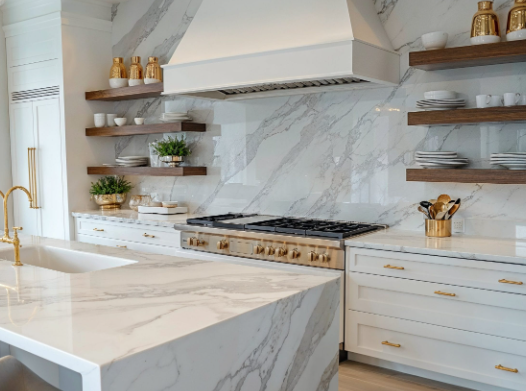
Farmhouse kitchen open shelving combines rustic charm with a minimalist approach, transforming cluttered spaces into visually appealing displays. This design choice not only highlights functional kitchen items but also resonates with those seeking a simpler lifestyle.
1. Why Choose Open Shelving?
Open shelving is becoming increasingly popular in farmhouse kitchens, primarily due to its ability to create an airy feel while promoting accessibility. Unlike closed cabinets, open shelves allow you to showcase beautiful dishware, jars of pantry essentials, and decorative items, making your kitchen feel alive and inviting. This choice encourages a mindful approach to kitchenware, as you tend to only display items you genuinely value.
Moreover, open shelving simplifies your kitchen routine. With everything at eye level, reaching for your favorite mug or most-used pots becomes effortless, streamlining your cooking and entertaining processes. Often, this layout naturally fosters a sense of organization, encouraging you to keep only what is necessary and loved.
-
- Consider your cooking habits: What do you use daily?
-
- Aim for a balance between aesthetics and functionality.
-
- Display a mix of valuable and decorative items.
-
- Regularly assess and declutter your shelves.
-
- Choose sturdy materials to ensure longevity.
2. Design Tips for Effective Open Shelving
To maximize the aesthetic appeal of your open shelves, it’s important to curate their contents with intention. Start by categorizing your items; group similar items together, such as plates, mugs, and glassware, for a cohesive look. One popular design strategy is to utilize varying heights and shapes to create visual interest. Stacking plates with mugs turned sideways can draw the eye and keep the design dynamic yet harmonious.
Another tip is to add greenery or decorative pieces like bowls and vases to infuse personality and warmth into your open shelving. Complementing functional items with decorations can create a more welcoming atmosphere. Choosing color palettes that align with the farmhouse theme—like earthy tones or soft pastels—can further enhance the rustic charm of your kitchen.
-
- Group similar items together for a streamlined look.
-
- Use different heights to add depth and visual interest.
-
- Add greenery or decorative pieces alongside functional items.
-
- Choose colors that resonate with the farmhouse aesthetic.
-
- Regularly change up the arrangement for fresh inspiration.
3. Maintenance and Organization Strategies
Despite the allure of open shelving, keeping them organized requires a bit more diligence than standard cabinets. To maintain a tidy appearance, establish a regular cleaning schedule to dust and wipe down surfaces. This becomes especially crucial in a kitchen environment where dust, grease, and food particles can accumulate quickly. Adopting a minimalist approach to the items displayed is also key—less truly is more in this case.
Consider the use of baskets or trays to group smaller items, preventing the shelves from looking cluttered. This organizational tactic allows you to store like items together while keeping them accessible. Utilizing jar labels or tags can also facilitate easier retrieval and add an additional decorative touch, enhancing both function and style.
-
- Set a regular cleaning schedule to maintain cleanliness.
-
- Use trays or baskets to organize small items.
-
- Embrace minimalism by limiting displayed items.
-
- Label jars for ease of access and additional style.
-
- Reassess your shelving display every season.
4. Common Mistakes to Avoid
While open shelving can elevate a farmhouse kitchen, a few common pitfalls are easily avoidable with some foresight. One major mistake is overcrowding the shelves. Overstuffing them can lead to a chaotic look while making it hard to find everyday items. Strive to keep some space empty to maintain a relaxed atmosphere and to let each displayed piece shine.
Another common oversight is neglecting the safety aspect of your open shelves. If you are displaying fragile items, ensure they are secure and out of reach if children are present. Additionally, keep heavier items on lower shelves to prevent accidents while making sure lighter, frequently used items are easily accessible.
-
- Avoid overcrowding; leave space for a clean aesthetic.
-
- Display heavier items on lower shelves for safety.
-
- Secure fragile items to prevent accidents.
-
- Regularly assess items to keep only what you use.
-
- Think about the kitchen’s flow and daily use when displaying items.
In conclusion, adopting open shelving in a farmhouse kitchen not only contributes to a minimalist lifestyle but enhances the space’s charm and functionality. By thoughtfully designing your shelves, maintaining organization, and avoiding common pitfalls, you can create a beautiful and practical display that reflects your personal style. Don’t hesitate to start your journey toward a more organized and visually appealing kitchen today!