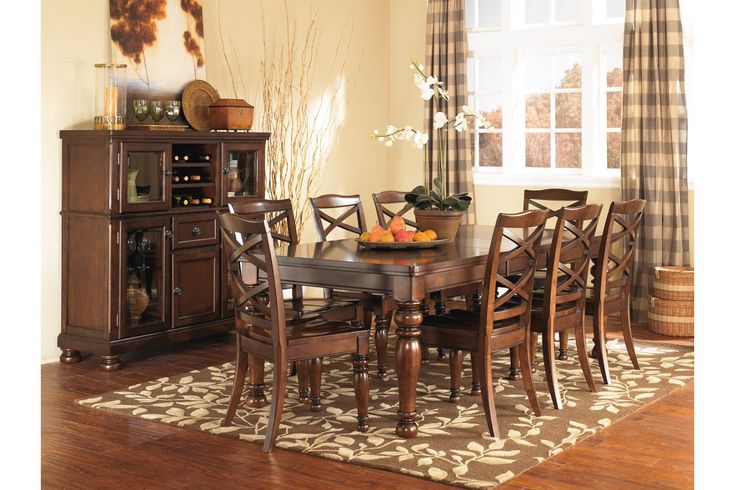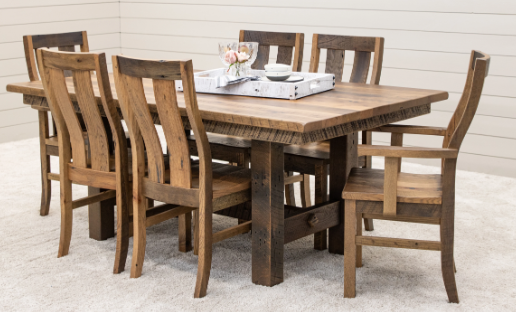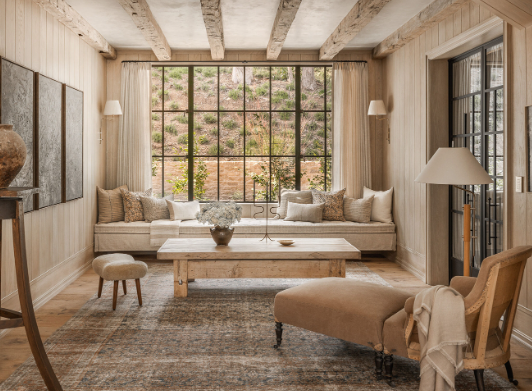
Distressed wood furniture is a cornerstone of farmhouse aesthetics, blending rustic charm with modern design sensibilities. Its natural textures add depth and character to any space, making it an excellent choice for those looking to imbue their homes with warmth and personality.
1. The Appeal of Distressed Wood Furniture
One of the primary reasons distressed wood furniture resonates with so many is its unique ability to tell a story. Each piece carries its history, including dents, scratches, and variations in color and grain that reflect years of use. This sense of authenticity makes distressed furniture appealing not just to lovers of vintage styles but also to those who appreciate craftsmanship.
Additionally, distressed wood can seamlessly blend with various decor styles, from traditional to contemporary. It evokes a warm, lived-in feel that softens stark modern lines, making homes more inviting. The versatility of distressed wood means it can be utilized in different ways; it can serve as a stand-out centerpiece or work harmoniously within a broader design scheme.
-
- Opt for pieces with unique finishes like whitewashing or natural stains.
-
- Mix different types of distressed wood for a layered look.
-
- Incorporate family heirlooms or vintage finds for authenticity.
-
- Pair with soft textiles to balance the rough edges.
2. Key Techniques for Distressing Wood
Creating distressed wood furniture can be achieved through various techniques that mimic natural wear and tear. One such method is “sanding,” where specific areas of the furniture are sanded to give a weathered appearance. This approach can enhance the furniture’s character without compromising strength and durability.
Another technique involves applying paint in layers and then removing parts of it to expose the wood beneath. This method can create a lovely, aged patina. Staining is also essential; using a darker stain can enhance the texture and imperfections, allowing them to stand out beautifully in contrast to the lighter wood tones.
-
- Select furniture made from solid wood for the best results.
-
- Experiment with different tools for varying effects (e.g., chisels, sanders).
-
- Don’t be afraid to mix paints and stains for unique looks.
-
- Practice on scrap wood first to perfect your technique.
3. Maintaining Distressed Wood Furniture
Once you’ve selected or created your distressed wood furniture, maintaining its beauty is crucial. Unlike polished wood, distressed surfaces can be more sensitive to moisture and dirt. Regular dusting can help prevent build-up that could dull the finish or promote decay over time.
Applying a suitable wood conditioner every few months can also keep distressed furniture looking its best. Look for products specifically designed for reclaimed or distressed wood, as they can enhance the natural grain while offering protection. Additionally, be mindful of where you place your distressed pieces; exposure to direct sunlight can cause fading and discoloration.
-
- Dust frequently to keep surfaces clean.
-
- Use coasters to prevent moisture rings.
-
- Avoid excessive water when cleaning; a damp cloth is sufficient.
-
- Store pieces away from direct sunlight to prevent fading.
Distressed wood furniture brings a unique and charming element to farmhouse decor, offering a rich layering of textures that can transform any space. By understanding the techniques involved in both creating and maintaining these pieces, anyone can appreciate the beauty and depth they add to their homes. Take the plunge into the world of distressed furniture and consider consulting a professional for customized pieces that fit your style perfectly.