Distressed wood furniture has become a popular choice for those looking to add character and warmth to their homes, especially in natural farm settings. The rustic appeal of this furniture complements the outdoor environment, creating a cohesive and inviting atmosphere. If you’re considering incorporating distressed wood furniture into your farm decor, here are some key points to keep in mind.
1. Choosing the Right Wood
Not all types of wood are created equal, especially when it comes to distressed finishes. Hardwoods like oak, maple, and walnut are not only durable but also tend to develop a beautiful patina over time. On the other hand, softwoods such as pine and cedar can offer a rustic look but may require more maintenance, as they can dent or scratch more easily.
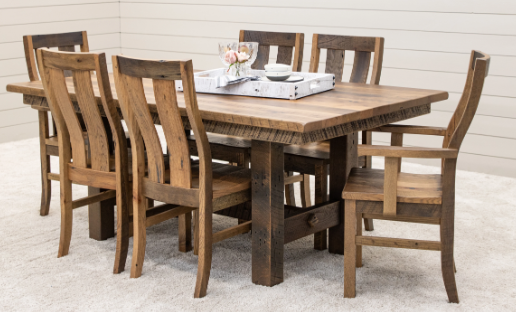
When selecting wood for distressed finishes, consider the natural grains and patterns. Reclaimed wood, for example, is often sourced from old barns or farm buildings, adding history and unique charm to your pieces. It’s also an eco-friendly choice, as it repurposes materials that might otherwise be discarded.
-
- Opt for hardwoods for durability.
-
- Consider reclaimed wood for history and character.
-
- Check for natural grains that enhance the distressed look.
-
- Avoid softwoods if you want longevity and minimal maintenance.
2. Styles and Finishes to Consider
Distressed wood furniture comes in various styles, so it’s essential to select one that complements your farm’s aesthetic. Traditional farmhouse styles often incorporate Shaker or country designs, featuring simple lines and functional forms. Modern rustic styles may blend sleek minimalism with distressed elements, creating a more contemporary appearance while retaining warmth.
Finishing techniques significantly affect the overall aesthetic. Options like whitewashing, dark staining, and hand-scraping can all contribute to the distressed look. For instance, whitewashing provides a lighter feel, perfect for brightening up dark spaces, while dark stains can add richness to a room. Experimenting with different techniques can reveal what best suits your style and theme.
-
- Explore various styles like farmhouse, modern rustic, or Shaker.
-
- Play with finishing techniques such as whitewashing or staining.
-
- Mix and match styles for a personalized touch.
-
- Consider functionality in style choices, especially for outdoor use.
3. Maintenance and Care Tips
While distressed wood furniture is charming, it does require a certain level of care to keep it looking its best. Regular cleaning with a soft damp cloth is critical to prevent dust buildup, which can dull the finish over time. Avoid using harsh chemicals or abrasive scrubbers, as these can damage the wood’s surface.
If your furniture is exposed to the elements, consider applying a furniture wax or sealant to protect against moisture and UV damage. It’s also wise to keep your furniture out of direct sunlight for extended periods, as this can lead to fading or warping. Seasonal checks can help catch any issues early and ensure your furniture remains in good condition.
-
- Clean regularly with a soft, damp cloth.
-
- Avoid harsh chemicals and abrasive scrubbers.
-
- Consider applying wax or sealants for outdoor furniture.
-
- Keep furniture out of direct sunlight to prevent fading.
4. Incorporating Distressed Wood Furniture into Your Space
Once you’ve selected the perfect distressed wood pieces, it’s time to think about how to integrate them into your space. Consider creating focal points using larger items like a distressed dining table or coffee table. Accent pieces, such as side tables or décor, can be layered throughout the area to enhance the theme without overwhelming it.
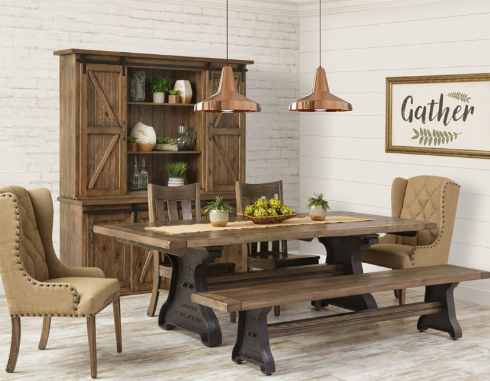
Another avenue to explore is mixing distressed wood furniture with other materials, like metal or stone. For example, pairing a reclaimed wood bench with metal chairs can create a contemporary vibe while still respecting the rustic origins. Don’t forget about textiles; pillows and throws in muted colors or natural fibers can soften the look and make your space feel cozy and inviting.
-
- Create focal points with larger furniture items.
-
- Sprinkle in smaller accent pieces for balance.
-
- Mix materials like metal or stone for contrast.
-
- Incorporate textiles to add warmth and comfort.
In conclusion, distressed wood furniture can profoundly enrich the ambiance of your natural farm setting. By choosing the right wood, styles, and maintenance strategies, you can create a beautiful and lasting environment. Don’t hesitate to consult with a professional to ensure you get the best pieces suited for your lifestyle and space!