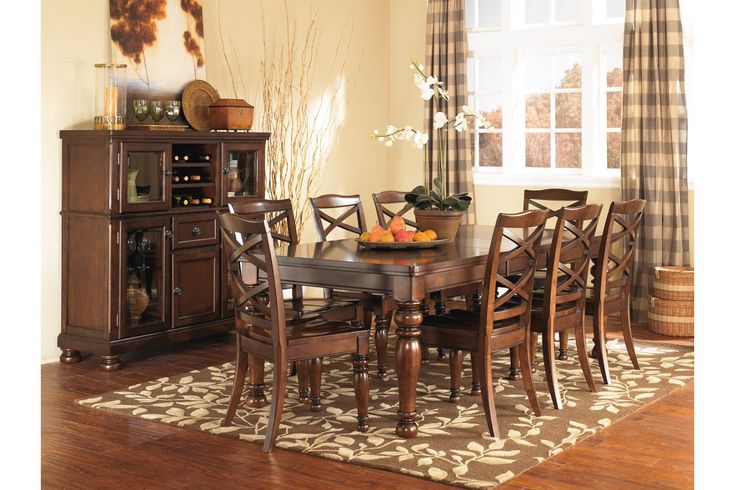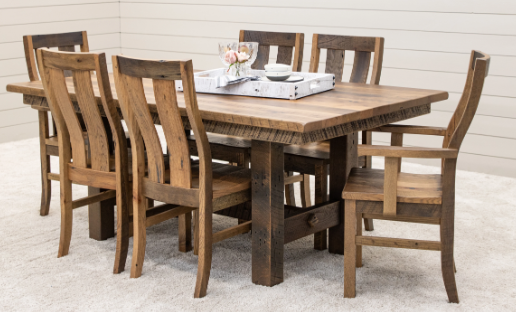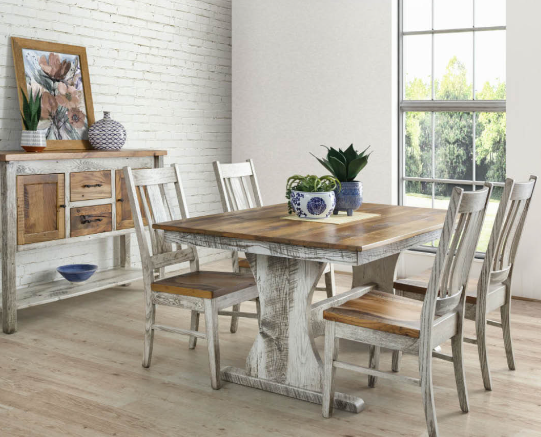
Distressed wood furniture has become a popular choice for natural farm interiors, blending rustic charm with functionality. This furniture style not only adds character to your home but also emphasizes a connection to nature that complements farm aesthetics.
1. The Aesthetic Appeal of Distressed Wood
Distressed wood furniture provides a unique visual appeal that evokes warmth and homeliness. By showcasing imperfections such as knotted grains or natural wear, these pieces tell a story, reflecting age and history. For instance, a farmhouse dining table with a weathered finish not only serves as a functional centerpiece but also sparks conversations about its past.
This style is versatile enough to fit into various design schemes, whether you’re going for a cozy cottage look or a more modern rustic vibe. Additionally, distressed wood can be paired with bright accents, earthy fabrics, and natural materials to create a harmonious living space that feels both inviting and grounded.
-
- Choose pieces with varied textures for added interest.
-
- Mix and match distressed furniture with clean lines for a balanced look.
-
- Incorporate greenery to enhance the natural feel of your space.
-
- Consider how the unique grain patterns can complement other decor elements.
2. Practical Benefits of Distressed Wood Furniture
The practicality of distressed wood furniture often goes hand in hand with its aesthetic appeal. These pieces are typically more forgiving than their polished counterparts when it comes to scratches and dents, making them ideal for homes with pets or children. A distressed coffee table, for example, can withstand daily use while still looking charming and laid-back.
Moreover, distressed wood furniture is often made from sustainable materials, making it an eco-friendly choice. Many artisans source reclaimed wood to create these pieces, helping to reduce waste and promote environmental responsibility. Opting for such furniture means you’re not only adding beauty to your home but also contributing to a healthier planet.
-
- Look for furniture made from reclaimed materials for sustainability.
-
- Choose durable finishes that enhance the longevity of the piece.
-
- Incorporate multifunctional furniture, like a bench that doubles as storage.
-
- Inspect joinery and construction for quality and durability.
3. Styling Tips for Incorporating Distressed Wood
Incorporating distressed wood furniture into your farm interior can be a delightful project that allows for creativity and personal expression. Start by selecting a focal point piece, like a large dining table or a statement bookshelf, and build your decor around it. This aids in creating a cohesive look while allowing the piece to stand out.
Consider the surrounding colors and textures when integrating distressed wood. Natural fabrics like linen or cotton in soft, muted tones can enhance the rustic vibe, while metal accents can add a contemporary twist. Don’t shy away from mixing different styles; combining distressed wood with modern accessories can create a dynamic, layered look that feels authentic and inviting.
-
- Select a statement piece to serve as your focal point in the room.
-
- Coordinate color palettes with soft, earthy tones for balance.
-
- Mix distressed wood with different materials for a rich texture contrast.
-
- Add layered lighting, such as warm pendant lights, to enhance the atmosphere.
4. Care and Maintenance for Distressed Wood Furniture
While distressed wood furniture is generally more resilient than polished options, it still requires regular maintenance to ensure its longevity. Simple tasks, like dusting and using coasters, can prevent damage and help the wood maintain its natural beauty. Additionally, applying a protective finish periodically can guard against stains and moisture.
For deep cleaning, choose gentle solutions that are specifically designed for wood surfaces. Avoid harsh chemicals, as they can strip the wood of its natural oils and luster. When necessary, consider refinishing standard distressed pieces to revive their color and grain without losing the character that makes them special.
-
- Dust regularly to prevent buildup and maintain appearance.
-
- Use coasters and placemats to safeguard surfaces from spills.
-
- Apply a protective finish as recommended for preservation.
-
- Clean with a wood-safe product, avoiding abrasive cleaners.
Embracing distressed wood furniture in your natural farm interior is not only a stylistic choice but a lifestyle one that reflects a love of nature and sustainability. By understanding its aesthetic appeal, practical benefits, and proper care, you can turn your space into a warm, inviting refuge that’s filled with character. Ready to incorporate these ideas into your home? Start by exploring local artisans or visiting thrift stores to find that unique piece that speaks to you!